
Attic Insulation in Avondale, AZ
Attic insulation, removal, blown-in, batts, radiant barriers and spray foam for Avondale homes, garages, additions and commercial properties.
Attic Insulation Services in Avondale, AZ
Avondale grew in waves: older streets near Avondale Boulevard and Western Avenue, then mile after mile of stucco and tile tract homes that filled in toward Dysart Road, McDowell Road, and the I-10 during the 1990s and 2000s. Those boom-era houses passed inspection when they were new, but the equipment above the ceiling was sized to the minimum of the day, not to a West Valley summer. If your home sits in a subdivision from that growth period, the mechanical space overhead is the first place to check when supply air feels weak and back bedrooms stay warm after sunset.
Phoenix Attic Insulation works attic-first in Avondale, and on these tract homes that usually means the forced-air system before anything else: the air handler in the attic, the plenum it feeds, the supply runs branching to each register, and the return path that can pull hot attic air if it is not tight. Around that mechanical core we install blown-in fiberglass and cellulose, remove failed material, seal the ceiling plane, add radiant barriers where exposure justifies them, and use spray foam only in pockets where foam beats loose fill.
We are a service-area contractor, so the walkthrough happens at your house, whether you are near Garden Lakes, Crystal Gardens, Corte Sierra, Donatela, or the newer edges toward Goodyear and Litchfield Park. Many Avondale addresses are billed by APS, while West Valley territory can change within a few blocks, so confirm the utility on your statement before chasing program paperwork. Call (602) 313-0276 to set up an attic walkthrough and get a scope document based on measured static pressure clues and actual depth, not guesswork.
The Avondale Problem: Air Handlers in a 150-Degree Attic
In most Avondale tract homes the air handler sits on a platform above the hallway, and every supply run leaves the plenum through that hostile space. On a July afternoon the attic can run well past 140 or 150 degrees, so each cubic foot of cooled air has to cross a furnace before it reaches the register boot in the ceiling. Loose plenum takeoffs, dried tape at collars, cracked flex duct jackets, unsealed boots at the drywall, and sagging runs that kink over truss chords all bleed cold air where no one lives.
Static pressure tells the story. When a return leak depressurizes the system, the blower pulls attic air and dust through every gap it can find, and supply leaks downstream starve the farthest registers first. That is why two identical Avondale floor plans can behave differently: one holds a steady plenum pressure and delivers even airflow to the back bedrooms, while the other loses a share of its output over the garage before the air ever turns the corner.
We treat the overhead space as a mechanical room on Avondale jobs: seal accessible joints and takeoffs with mastic, re-strap sagging flex runs to hold smooth radius bends, insulate bare sheet metal near the handler, verify register boots are sealed to the drywall, then correct insulation depth around the system. Department of Energy guidance for this desert zone points to R-38 as a reasonable attic floor, with more depth helping on exposed roofs. We measure what is there, note where the handler and ducts sit, and recommend duct work before or alongside added fill when the leakage is obvious.
Choosing Loose Fill Around Avondale Ductwork
Loose fill fiberglass fits many Avondale attics because the truss framing is regular, the roof is usually clear of obstructions except the duct runs themselves, and the goal is even coverage across a wide lid. It is light, does not readily hold moisture, and tends to keep its loft in dry heat. When an existing fiberglass layer is clean and dry, adding more of the same material keeps the walkthrough simple and the depth easy to verify around each supply run.
Cellulose earns a look when the lid is irregular, when many small gaps around top plates and fixtures leak upward, or when a denser blanket is preferred to resist air washing near the eaves. It is made from recycled paper treated for fire resistance. It is heavier and can settle more than fiberglass, so installed depth has to account for that from day one, especially where it is blown against duct jackets and plenum boxes.
The right answer depends on what is already overhead, whether the duct system is sound, and how much prep the lid needs. In clean Avondale attics we can often blow over the existing layer after the handler platform and register boots are sealed, and count the combined R-value. If material is wet from a condensate overflow at the air handler, matted, or fouled, covering it only hides the problem. Call (602) 313-0276 and we will show you photos of the handler area and depth before quoting either path.
Removal and Cleanup When Avondale Attics Are Fouled
Avondale still has citrus, palms, irrigated yards, and open edges toward older farm ground and the Gila River corridor to the south. Pests use fences, trees, and tile returns to reach the attic, then tunnel through fill and leave waste and scent trails. A top-off over that material does not correct the smell or the lost depth, and it can foul the very duct surfaces the system breathes through.
Removal starts with containment. Old fill is pulled out by vacuum into sealed bags outside the home, not carried through hallways. With the lid bare, we can finally see the handler platform, the plenum, and every boot, sanitize the surface, find bath fans that dump into the attic, spot past roof leak stains, and seal the gaps pests used before fresh material goes down.
Removal is also the honest call after monsoon roof leaks, a failed cooler line, or an air handler condensate overflow that soaked one side of the attic and the ducts below it. If you just bought an Avondale house and cannot say what is overhead, ask for a walkthrough first. We document conditions so you can see why removal is or is not needed before the mechanical system is buried again.
Radiant Barriers and Registers in the West Valley
A radiant barrier does a different job than fill. Loose fill resists heat moving through the lid. A foil sheet reflects part of the radiant energy coming off the underside of a hot roof deck before that energy soaks the attic floor and the duct surfaces. On tile-roof Avondale homes with full afternoon exposure, lowering the radiant load can ease the burden on the handler and every register it feeds through the June to September stretch. We keep this measure short and specific here: it is a supporting step, not the lead.
The barrier is not a stand-alone fix. It works best after boots are sealed, plenum takeoffs are tight, and depth is brought to target, because a foil sheet cannot stop air leaking around a register or compensate for four inches of settled material.
We look at roof color, shade, attic ventilation, and whether the handler and ducts run overhead before recommending one. Some Avondale attics get clear value once the mechanical system is tight. Others are better served by mastic, support straps, and deeper fill first, and we will say so during the walkthrough.
Spray Foam and Other Insulation Work in Avondale
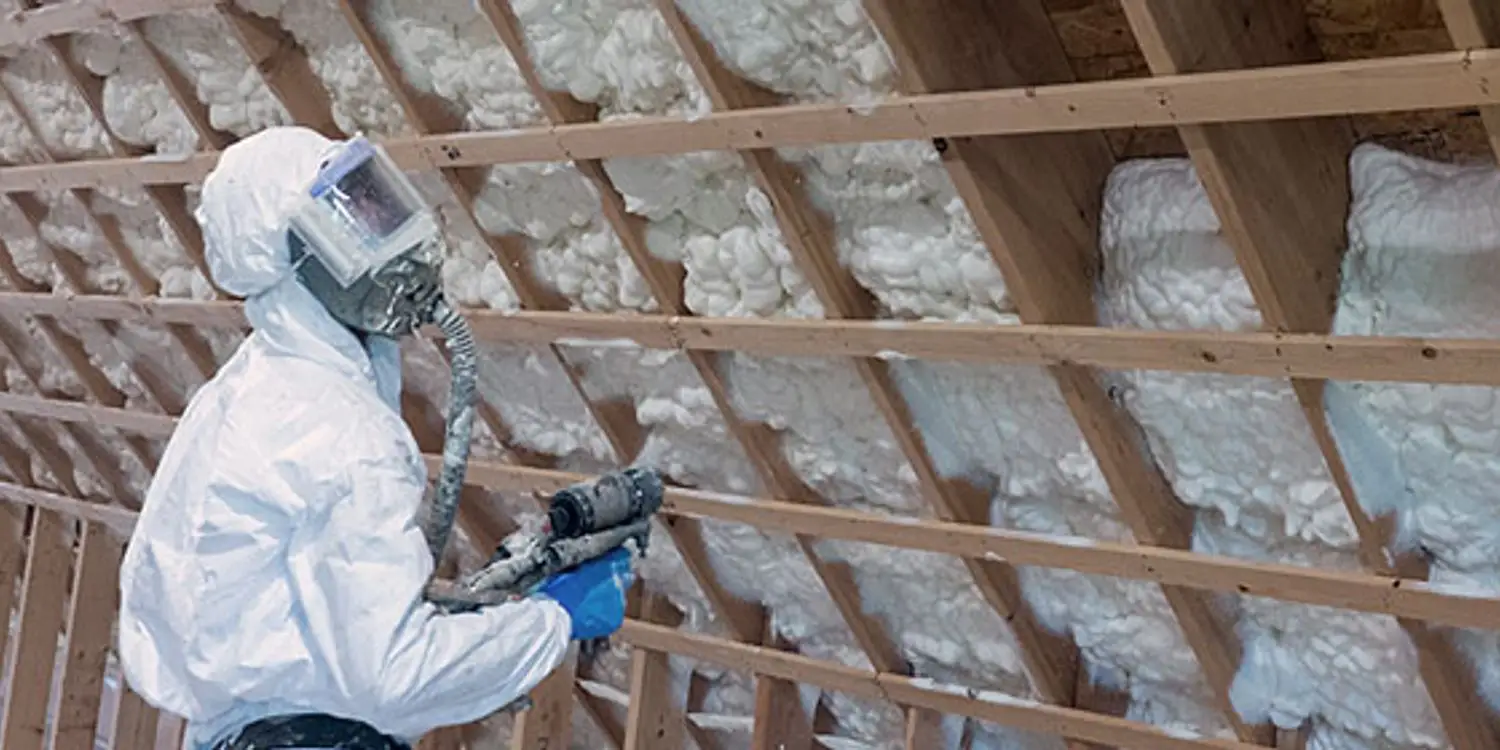
Because Phoenix Attic Insulation is a full-insulation brand, attic work is not limited to one product. Open-cell spray foam can seal and insulate roofline transitions, garage ceilings under living space, and awkward cavities where loose fill will not stay put. Closed-cell foam brings higher R-value per inch where depth is tight, such as the short slopes behind a bonus-room knee wall.
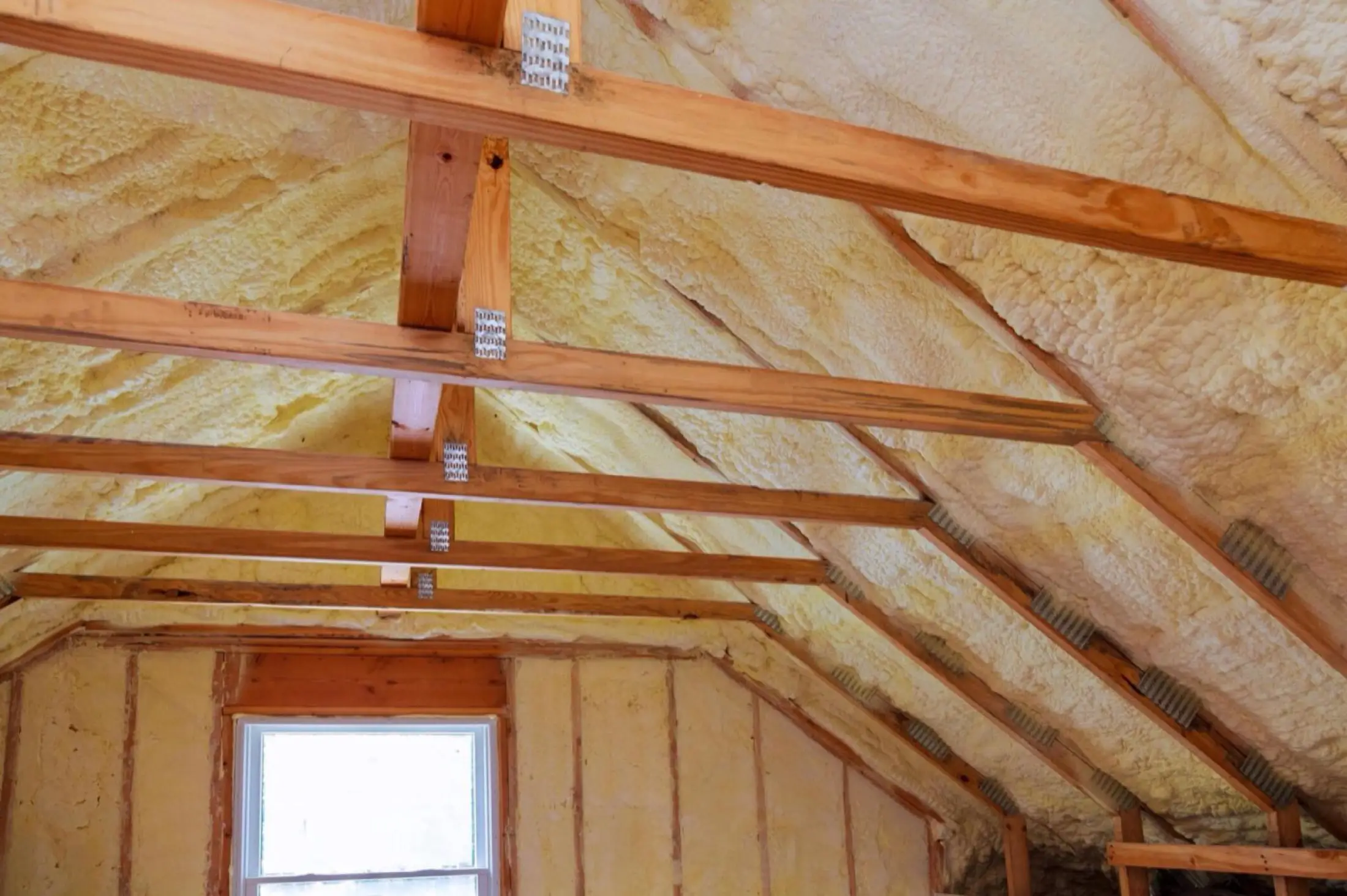
Foam is usually a targeted answer in Avondale, not the default for a standard vented attic. A truss attic with clear access often performs well with sealed ducts and blown depth at lower cost. Foam makes more sense when the plan is to encapsulate the roofline and bring the air handler and plenum inside conditioned space, which changes the load on every register downstream.
We also handle wall insulation for remodels, garage walls that bake in the afternoon, casita ceilings, and small commercial spaces along the I-10 frontage. If the project touches more than the attic, one crew can usually keep the scope coordinated so the mechanical system, the lid, and the walls are treated as one envelope.
Rebates and Paperwork for Avondale Addresses
Utility territory in the West Valley is not a clean map. Many Avondale homes are in APS territory, some nearby pockets differ, and boundaries do not always match mailing cities. Check the name on your electric bill before assuming which program applies to your address.
APS and SRP have each run efficiency programs at different times that can involve audits, duct sealing, or insulation standards, and duct measures are especially relevant in Avondale where the handler sits overhead. Details change, some require pre-approval, and some require work by participating contractors. Amounts are set by the utility and change over time, so confirm current terms directly rather than relying on any figure we might repeat.
What we provide is documentation: installed material, target R-value, depth markers, photos of the handler and plenum area, and before and after conditions. That makes it easier for you or your tax professional to evaluate current utility or federal incentives with clean records instead of estimates.
What Happens When You Call Phoenix Attic Insulation
The walkthrough starts with a call to (602) 313-0276. We ask a few practical questions: rough square footage, the year the home was built, whether the air handler is in the attic, which registers run weakest, and whether certain rooms drift warm in the late afternoon. Then we schedule a visit at a time that works around your commute, since many Avondale households head out early toward Phoenix or Goodyear.
During the visit we measure existing depth, locate the handler and plenum, trace supply runs to the farthest registers, check boot seals at the drywall, look for kinks and disconnected takeoffs, note static pressure clues such as whistling returns or dusty grilles, and photograph everything. You receive a scope document that spells out material, target R-value, the duct items included, and exactly what is excluded, with no mystery line items.
Most loose fill attic jobs in Avondale finish in a single day, and duct sealing is often folded into the same visit. Removal and re-insulation projects take longer depending on size and the amount extracted. We protect floors and the hatch area, clean up when finished, and leave depth markers near the handler platform so the work is easy to confirm at any future walkthrough.
Frequently Asked Questions
How much insulation does an Avondale attic need?
For this desert climate, R-38 is the common attic floor target and many exposed roofs benefit from more. Boom-era Avondale homes often measure below that after settling, traffic from technicians, and thin edges near the eaves. We measure in several spots and quote the depth needed to reach the target evenly around the duct runs.
Why are the registers in my back bedrooms so weak?
The farthest supply runs leave the plenum last and lose the most to leaks, kinks, and heat soak on the way. Sealing takeoffs and boots with mastic, supporting sagging flex, and correcting depth around the runs usually restores airflow without touching the equipment itself.
Can new material go over what the builder installed?
Yes when the old fill is dry, clean, and free of fouling. Topping off is the simplest route. If we find waste, urine odor, wet areas from a condensate overflow, or mold, removal comes first and we will show you the photos that explain why.
What is static pressure and why does it matter?
It is the resistance the blower works against to move air through the plenum, ducts, and registers. Leaks and crushed runs raise it, airflow drops, and far rooms suffer first. Tightening the system lowers the strain and helps each register deliver closer to its share.
Will this lower my APS bill?
Better depth, sealed ducts, and controlled leaks reduce the load your system carries, but we do not commit to a dollar figure or percentage. Home size, thermostat habits, shading, register balance, and equipment condition all change the outcome. We focus on the parts of the building that are measurably wrong.
How long does an Avondale job take?
A clean top-off on a typical tract attic is often finished in hours, and mastic work on the plenum and boots fits the same visit. Removal, sanitizing, or radiant barrier work can extend the schedule. You get a written timeline with the scope document.
Do I need to be home?
Someone should provide access to the attic hatch and power at the start, then be available for the review at the end. Many owners leave for work once the crew is set up and look over photos of the handler area when they return.
How do I schedule in Avondale?
Call (602) 313-0276. We serve Avondale and nearby West Valley communities including Goodyear, Litchfield Park, Tolleson, and west Phoenix. The walkthrough ends with a scope document and no obligation.
Insulation Services Available in Avondale
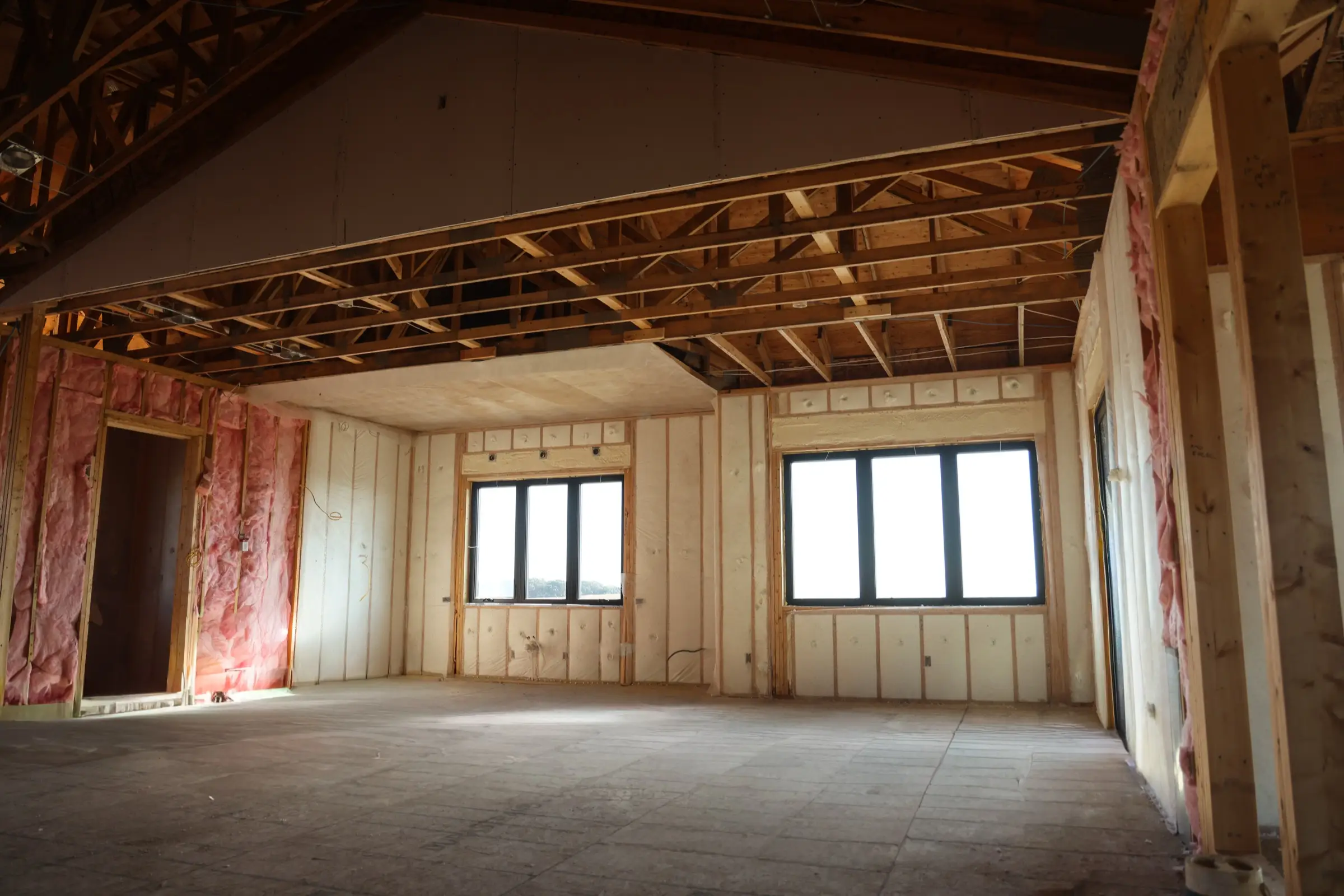
Need Spray Foam in Avondale?
Talk with our team about your home, building or upcoming project.
Common Questions
Do you provide insulation services in Avondale?
Yes. Phoenix Attic Insulation provides residential and commercial insulation in Avondale, including spray foam insulation, blow-in insulation, batt insulation, radiant barriers, insulation removal, with free written estimates.
What type of insulation is best for Avondale homes?
It depends on the building. Attics, walls, garages and additions each hold and lose heat differently, so we assess the space during a free estimate and recommend the material that fits rather than defaulting to one method.
How do I get a free insulation estimate in Avondale?
Call us and we will schedule an on-site assessment of your Avondale property, then give you a written scope and price before any work begins.