
Attic Insulation in Peoria, AZ
Attic insulation, removal, blown-in, batts, radiant barriers and spray foam for Peoria homes, garages, additions and commercial properties.
Attic Insulation Services in Peoria, AZ
Peoria is a newer-construction city at heart, stretching from the 1990s tracts around Fletcher Heights and Westbrook Village to the master-planned rooftops climbing toward Vistancia and Lake Pleasant Parkway. Overhead that means truss attics: factory-built webs, low heels at the eaves, blown depth that was sized to the code of the day, and ventilation that depends entirely on the balance between soffit intake and ridge exhaust.
Phoenix Attic Insulation is attic-first in Peoria with the tract-house toolkit: blown depth correction and settling make-up, ridge and soffit ventilation balance, attic hatch and pull-down stair sealing, garage ceiling separation, and eave baffles at every bay. We work as a service-area contractor across Peoria and neighboring West Valley communities.
Most Peoria addresses fall in APS territory, with utility boundaries in the region not always matching city lines, so confirm the provider on your bill. Call (602) 313-0276 to schedule an assessment with a written estimate.
The same roof plan can appear street after street in a Peoria subdivision, yet the attics age differently. One house has a clear lid and even coverage, while the model next door has footpaths packed through the fill from alarm installers, cable technicians, and equipment service. Our assessment looks past the age printed on the listing and checks the actual truss bays, the perimeter heels, the access opening, and the separation over the garage.
Truss Attics, Settling, and the Depth Peoria Actually Has
A truss attic is a grid of factory webs, and blown material settles into that grid unevenly. Depth that started near the truss chords drops below them over twenty summers, the wood chords become thermal bridges, and the low heel at the eave, where the truss pinches to a few inches, ends up nearly bare if the installer did not force material into it. That thin band over the exterior wall is exactly where the west bedrooms bake.
Most Peoria tracts were insulated to the minimum of their era, often in the R-19 to R-30 range, and production speed meant depth was checked in the open middle of the attic, not at the heel or around the hatch. Settling since then has widened the gap. Newer Vistancia roofs are not immune; minimum code and comfort in August are different standards.
Raised-heel trusses give more room over the exterior wall plates, but many earlier Peoria plans use standard heels with very little working space. Where the framing allows, we build depth gradually into that narrow edge and hold it in place with baffles and dams. Where the heel is physically tight, the scope calls for careful placement rather than pretending the center-of-attic measurement represents the whole ceiling.
The correction is measured, not guessed. We shoot depth across the truss bays, at the heels, and around the hatch, then bring the whole lid to the target with make-up material and verify it with markers nailed to the truss webs. Department of Energy guidance for this climate points to R-38 as the floor, with more depth earning its keep on exposed slopes.
Ridge and Soffit Ventilation Balance
A truss attic only stays close to outdoor temperature if air can enter low and leave high. Soffit intake under the eaves feeds the bays, ridge exhaust at the peak lets the hot air out, and the two have to be in balance. In Peoria we routinely find intake choked off: baffles missing so blown material has slumped into the soffit, paint sealing the vent strip, or a ridge vent that was capped but never opened.
When intake is starved, the ridge pulls makeup air from wherever it can, including through the ceiling plane from the conditioned space, which is the exact opposite of the goal. When exhaust is undersized, heat pools at the peak and radiates down over the very truss bays that are thinnest.
Tile roofs, shingle roofs, and mixed additions across Peoria do not all vent the same way. Some use continuous ridge exhaust, others rely on individual roof vents, and covered patios often interrupt the original airflow path. We trace which bays actually connect from soffit to exhaust before adding material, because new depth can quietly block a path that looked open from below.
Every Peoria job includes a ventilation check: baffles at each eave bay to hold the airway open against the new depth, confirmation that soffit vents are clear, and a look at ridge exhaust. Deep material with blocked airflow trades one problem for another, so balance is part of the written estimate, not an afterthought.
Hatches, Pull-Down Stairs, and Garage Ceiling Separation
The two biggest holes in a tract-house lid are the ones cut on purpose. The attic hatch and the pull-down stair are uninsulated panels in an otherwise blanketed ceiling, and a bare stair door radiates heat into the hallway all summer. We weatherstrip the hatch, add an insulated cover or stair tent, and dam the opening so make-up depth does not spill into the hole every time it is opened.
Garage ceiling separation is the other Peoria staple. The lid over the garage is often thinner than over the living space, the wall between house and garage may be open at the top into the attic, and rooms over the garage sit against a space that swings from very hot to merely warm. Bringing the garage lid to depth, sealing the shared wall top, and detailing the bonus-room floor over it changes how those rooms behave more than any thermostat adjustment.
Two-story plans add another weak seam where the upper floor framing meets the garage or a one-story wing. Knee walls, short attic pockets, and floor cavities can connect spaces that were never meant to share air. During the assessment we follow those transitions instead of treating the attic as one flat rectangle.
These details are small in material and large in effect, and they are exactly what a production builder's crew did not spend time on. They are standard lines in a Peoria written estimate because they are standard defects in a Peoria truss attic.
Loose Fill Choices for Tract Lids
Loose fill suits the wide, regular truss bays that dominate Peoria because it covers evenly and wraps the webs and wiring without the gaps a batt leaves at every chord. We install fiberglass and cellulose and recommend based on what is already present, moisture history, and how irregular the lid is around the hatch and garage transitions.
Fiberglass is light, dry-climate friendly, and dimensionally stable, so the depth we verify at the markers is the depth that stays, which makes it a natural match for topping clean existing fiberglass in a settling tract attic. Cellulose is denser, fills irregular gaps around the stair and garage wall tops well, and its settling is accounted for by installing deeper on day one.
Coverage quality matters as much as the material name. A proper installation holds level depth across the open bays, feathers material into the eave heels without burying the baffles, and leaves the access opening protected by a dam. Markers placed on several truss webs let the homeowner confirm the result long after the hose is packed away.
A typical Peoria job includes hatch dams, baffles at every eave bay so soffit intake stays open against the new depth, and markers on the truss webs so coverage can be verified later instead of trusted. The assessment tells us how much make-up material the settling actually requires.
Radiant Barriers on Truss Roofs
A radiant barrier on a truss roof staples cleanly to the underside of the top chords, and in Peoria's long cooling season it can lower the load the lid has to resist, particularly on the unshaded west and south slopes of the newer two-story plans. We keep the claim narrow: it trims radiant gain, and it works only after depth, baffles, and the hatch are handled.
It is not a substitute for make-up depth in a settled truss attic, and it does nothing for a bare pull-down stair or an unseparated garage lid. The order of operations in the written estimate reflects that: depth and ventilation balance first, hatch and garage separation second, barrier where exposure supports it third.
We look at roof orientation, shade from the maturing landscape in the older tracts versus the bare slopes of the newest ones, and ridge layout before recommending one. Some Peoria roofs make the case clearly; others are better served by depth and baffles alone, and the estimate will say which.
Spray Foam and Full Insulation Scope in Peoria
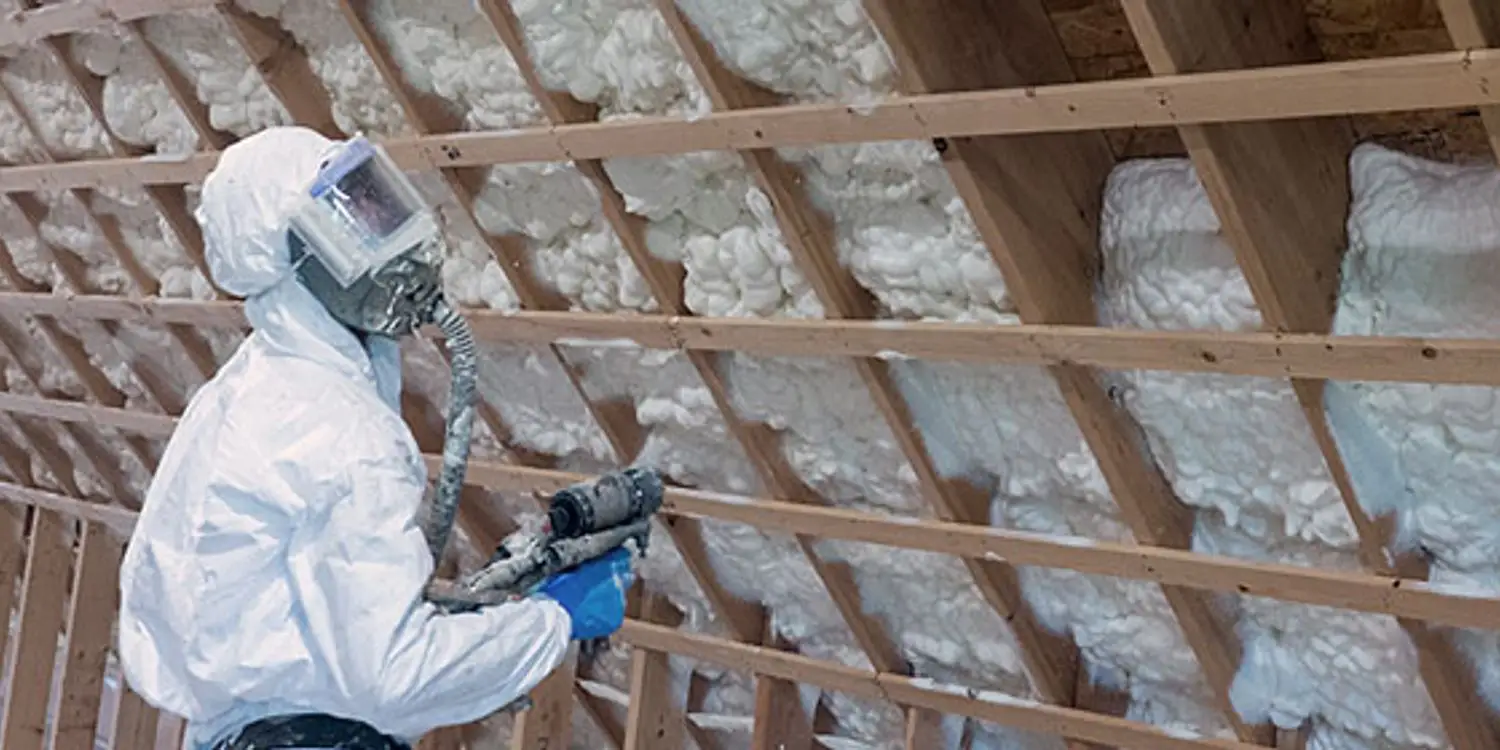
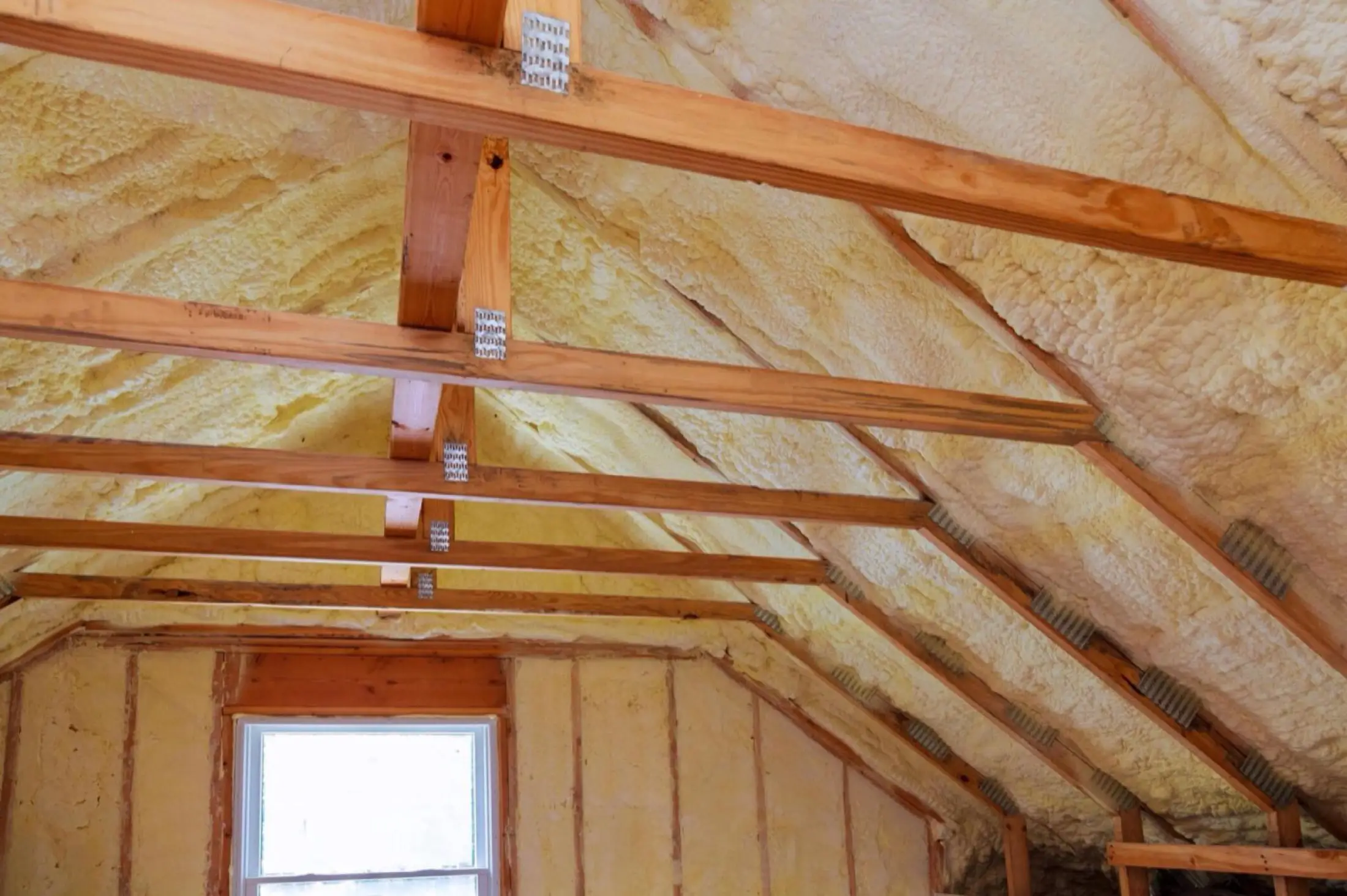
Attics lead, but the brand covers full insulation work. Spray foam fits vaulted sections over entries and nooks, garage ceilings under rooms where a hard air seal matters, rim transitions, and the knee walls and short slopes that two-story tract plans sprinkle through the upper floor.
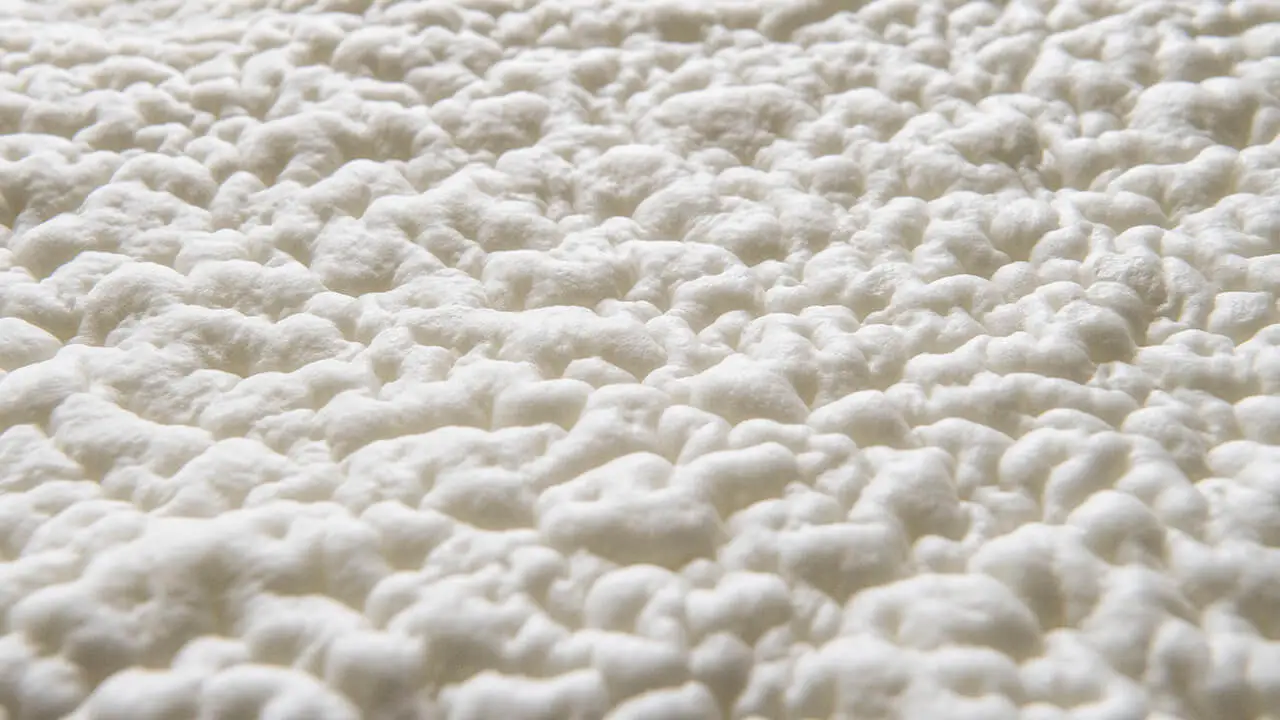
Open-cell foam seals air and fills irregular framing. Closed-cell foam gives higher R-value per inch where depth is limited, such as the shallow slopes behind a bonus-room knee wall. For a normal vented truss attic, baffles, hatch sealing, and blown depth are often the better value, and we will say that directly.
We also insulate walls during remodels, garage walls that face west, casitas, and workshops on the larger Vistancia lots. If a conversion or addition is planned, getting cavities right before drywall is far easier than opening finished space later. Call (602) 313-0276 to talk through scope.
Peoria Utility Notes and Documentation
Much of Peoria is served by APS, while West Valley boundaries can be uneven near neighboring cities. Check the electric bill for the actual provider before relying on a program page or a city assumption, since amounts are set by the utility and change over time and current terms are best confirmed directly.
Utilities have offered assessments and efficiency measures at different times, sometimes with pre-approval or contractor requirements. Those terms change, so we do not state amounts or eligibility.
Cooling is the dominant summer load in Peoria homes, and settled truss attics with choked soffits are among the most common correctable reasons systems struggle. We document material, verified depth at the markers, baffle and hatch work, and photos so any application, tax question, or future sale has clean records.
Frequently Asked Questions
How much attic insulation does a Peoria home need?
R-38 is the common target for this climate, with more depth often useful on exposed slopes. Many 1990s and 2000s Peoria truss attics measure below that after settling, especially at the eave heels. We shoot depth across the bays and quote the make-up rather than assuming by age.
Why is upstairs hotter than downstairs?
The upper lid sits under the hottest part of the truss attic, the eave heels are thinnest, and a bare pull-down stair radiates into the hall. Make-up depth, baffles, hatch sealing, and ventilation balance usually address the pattern.
Fiberglass or cellulose?
Both can reach target performance. Fiberglass is lighter and holds depth, which suits settling tract lids. Cellulose is denser and fills the odd gaps around stairs and garage walls but settles more, so it goes in deeper. Choice follows current material and lid condition.
My soffit vents look fine. Why check them?
Because blown material slumps into the bays and chokes intake from the inside even when the vent strip looks clean outside. Baffles hold the airway open against the new depth, and balance between soffit intake and ridge exhaust is what keeps the truss attic near outdoor temperature.
What is garage ceiling separation?
The lid over the garage and the top of the shared wall are often thin or open into the attic, so rooms over the garage bake. Bringing the garage lid to depth and sealing the shared wall top isolates the living space from that swing.
Should the garage attic be insulated to the same depth?
It depends on how the garage connects to the house. If living space sits above it or shares an open attic, the garage lid and wall-top separation become part of the comfort problem. We inspect those connections before deciding how much material belongs there.
Is a radiant barrier worth it in Peoria?
Often on the unshaded west and south slopes of newer two-story plans, after depth, baffles, and hatch work are done. It trims radiant gain and is not a replacement for make-up depth in a settled truss attic.
How long does a job take?
A clean make-up with baffles and hatch work often finishes in hours to a day. Larger lids, garage separation, or barrier work can extend it. The written estimate includes a timeline.
Do you have an office to visit?
No walk-in office. We are a service-area contractor and handle assessment and work at your home in Peoria, Glendale, Surprise, Phoenix, and nearby communities. Call (602) 313-0276.
Insulation Services Available in Peoria
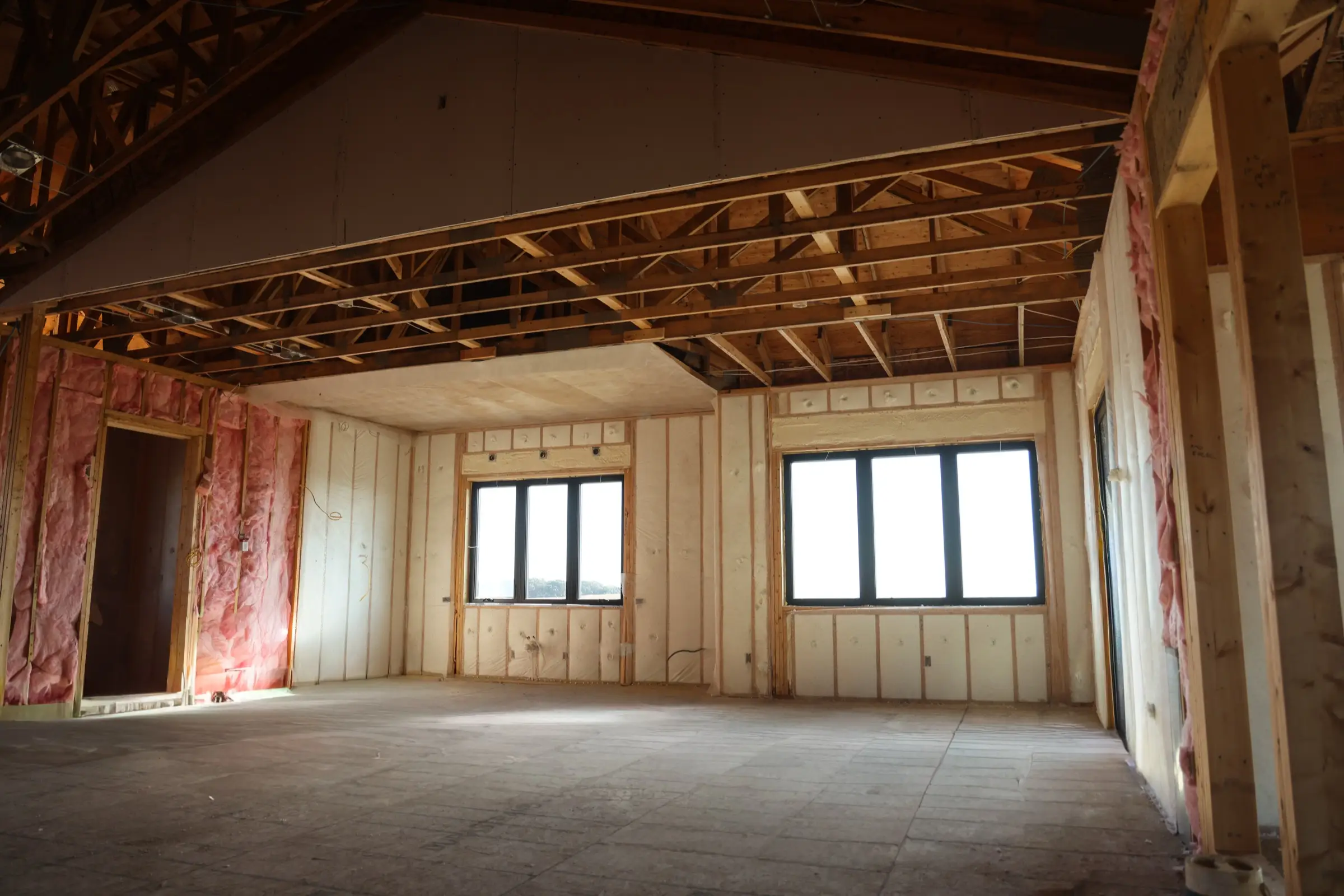
Need Spray Foam in Peoria?
Talk with our team about your home, building or upcoming project.
Common Questions
Do you provide insulation services in Peoria?
Yes. Phoenix Attic Insulation provides residential and commercial insulation in Peoria, including spray foam insulation, blow-in insulation, batt insulation, radiant barriers, insulation removal, with free written estimates.
What type of insulation is best for Peoria homes?
It depends on the building. Attics, walls, garages and additions each hold and lose heat differently, so we assess the space during a free estimate and recommend the material that fits rather than defaulting to one method.
How do I get a free insulation estimate in Peoria?
Call us and we will schedule an on-site assessment of your Peoria property, then give you a written scope and price before any work begins.