
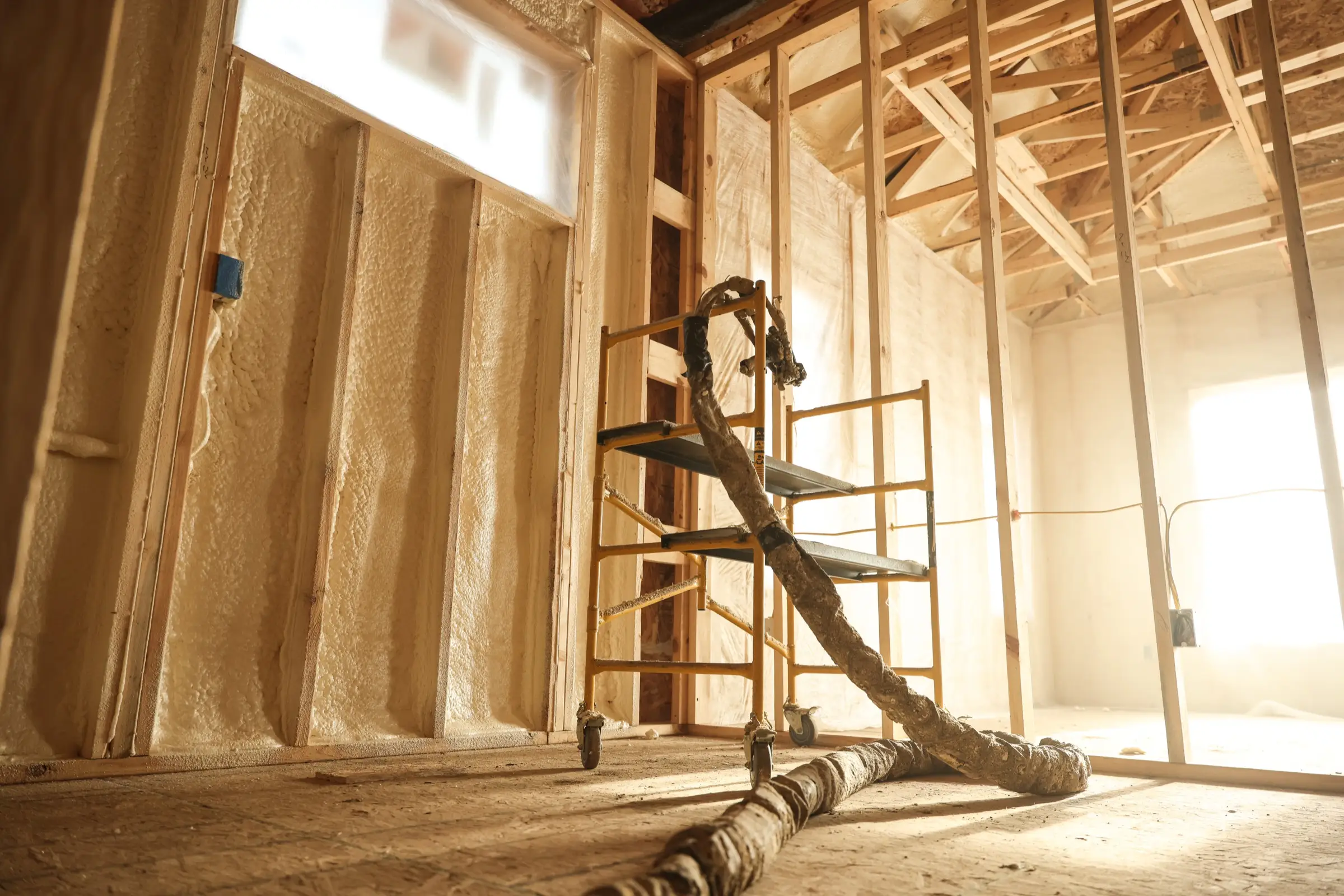
Attic Insulation in Phoenix, AZ
Attic insulation, removal, blown-in, batts, radiant barriers and spray foam for Phoenix homes, garages, additions and commercial properties.
Attic Insulation in Phoenix, AZ Across Every Housing Era
Phoenix is not one housing stock; it is a century of building eras sharing one cooling season that runs from spring into fall. Central corridors hold 1910s bungalows and 1930s revival cottages, midtown adds postwar and midcentury ranches, block construction neighborhoods spread south and west, and infill and foam-roof contemporary builds rise between them. Phoenix Attic Insulation works across that whole range, and the first thing we bring to any address is respect for which era the house belongs to. Call (602) 313-0276 to schedule an evaluation.
A thin Phoenix attic lets roof heat press through the ceiling long after sunset, which is why central homes of every era can feel warm late at night even while the system runs. The answer is not a product; it is matching the assembly to the era: vented blanket work on a ranch lid, foam at the roof deck on an unvented assembly, careful handling in a historic district, and whole-home scope where additions have stitched three roof types together.
A bungalow in Willo may have original rafters and small gable vents, a ranch near Arcadia may hide low attic pockets behind wide eaves, and a newer infill home may place the thermal boundary directly at the roof deck. Those differences change where insulation belongs, how much ventilation matters, and which parts of the house need to be treated together.
We are a service-area business. We come to historic districts near downtown, midcentury ranch streets, block construction corridors, desert ridge edges, and communities toward Glendale, Laveen, and Avondale. No showroom, just evaluation, photos, and a written proposal.
Housing Eras, Foam Roof Decks, and Unvented Assemblies
Each era built a different attic. Early bungalows have steep rafter roofs, original materials, and occasionally wiring and ventilation details that need a careful hand. Midcentury ranches brought low slopes, deep eaves, and the first big wave of forced-air equipment. Block construction stored heat in masonry and released it after dark, while rear additions, converted patios, and carport enclosures stitched flat and low-slope roofs onto the original house with little room for depth.
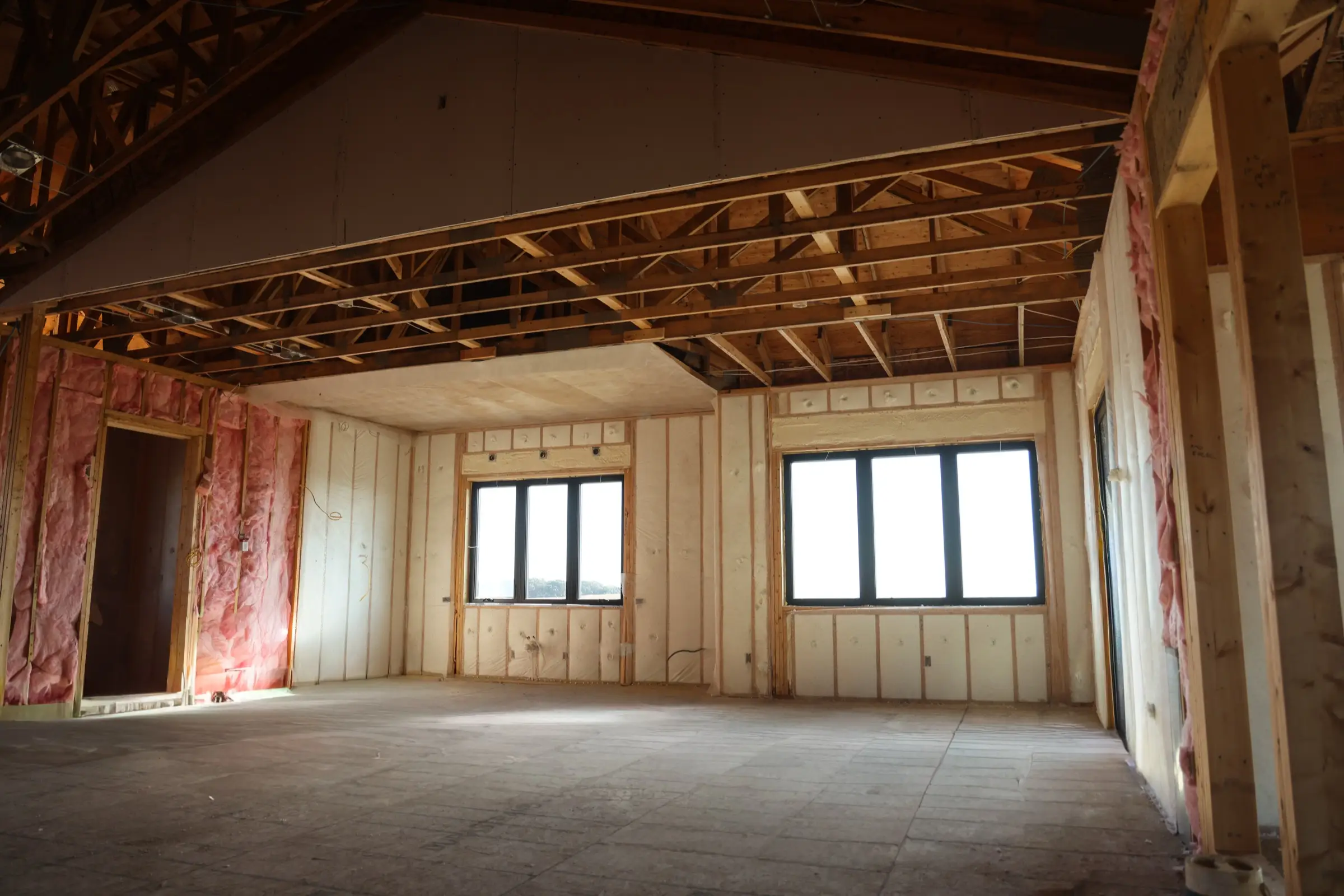
Then there are the unvented assemblies. Contemporary infill, foam-roof re-covers, and cathedral designs put the insulation at the roof deck itself, spraying foam to the underside of the sheathing and bringing the attic inside the thermal envelope. Done right, an unvented foam roof deck moves the boundary to the roofline and keeps equipment and ducts in friendly space. Done wrong, or mixed carelessly with a vented lid, it traps moisture and confusion in equal measure.
Hybrid roofs are common in Phoenix because homes grow over time. A flat addition with a foam roof may sit behind a vented ranch attic, with a framed transition that leaks heat and air between the two. We locate those seams, check whether each section was intended to be vented or sealed, and avoid treating the whole roof as though it were built in one year.
Historic district homes add a review layer. Designated neighborhoods can carry original fabric, period roof forms, and rules about exterior changes, so the work has to solve the thermal problem from inside without disturbing what the district protects. We assess the assembly, the era, and any historic constraints before recommending anything, because the right scope for a 1925 bungalow and a 1975 ranch and a 2015 foam-deck infill are three different scopes.
Matching Material to Era: Blankets, Batts, and Roofline Foam
On a vented ranch or block-home lid, loose fill placed to a verified depth over a sealed ceiling plane is the workhorse, filling around joists, wiring, and the odd framing that additions create. Fiberglass is light, moisture tolerant, and dimensionally stable in dry heat, so installed R-value tends to stay installed. Cellulose is denser, slows air movement through the blanket, and suits older ceilings with many small gaps, with settling planned into the installed depth.
On unvented and foam-deck assemblies, the material moves to the roofline: spray foam against the sheathing, with open-cell used where some drying potential is acceptable and closed-cell where R-value per inch and rigidity matter in shallow slopes. The target is the same R-38-or-better performance, just delivered at the deck instead of the lid, and the ventilation strategy changes completely because there is no vented attic left to feed.
The boundary has to stay consistent. Adding roofline foam while leaving a vented ceiling-lid strategy in place, or piling attic-floor insulation under a sealed roof without addressing the transition, can leave a house caught between two assemblies. Our evaluation maps the thermal boundary first, then matches the material to the part of the home being corrected.
Whole-home scope is where the eras meet: a ranch with a foam-deck addition, a bungalow with a conditioned basement and a vented attic, or a block home with a spray-foamed garage conversion. We map which assembly each part of the house actually is, then propose material per assembly rather than forcing one product across the whole roof. During your evaluation we walk you through which fits each zone, your budget, and your goals. Call (602) 313-0276.
Removal and Reset in the Central Core
The central core's older attics carry the most history per square foot: original fill from another era, layers added by each decade's contractor, debris from re-roofs, and the accumulated dust of fifty or seventy years. When that material is fouled, wet from an old roof failure, or so degraded it hides the ceiling plane, removal and reset is the honest scope.
Warning signs include persistent musty odor, staining that telegraphs through the ceiling, material matted to a fraction of its loft, and evidence of long-ago work that was never cleaned up. In historic fabric we work carefully around original materials and document conditions before anything is disturbed.
Older Phoenix homes can also conceal open chases behind additions, abandoned flue paths, and framing changes where porches became living space. Once degraded material is removed, those hidden routes can be sealed or referred to the right trade before the attic is covered again.
We vacuum old material into sealed containment outside, clean the surface, expose and seal the penetrations and transitions that decades buried, then rebuild to target depth with material matched to the assembly. If the old fill is simply aged but dry and clean, a top-off may be enough even in a very old house. We will tell you which condition you have, with photos.
Radiant Barriers and Roof Heat by Era
Phoenix roofs of every era absorb hours of direct sun, and the underside of the deck radiates that heat downward. A radiant barrier reflects part of that energy back toward the roof, reducing the load the assembly then has to resist. On the wide low-slope ranches and the dark re-covered roofs of the central core, exposure is often strong and shade is scarce.
It is not a substitute for R-value, and on an unvented foam-deck assembly it has no role because the boundary is already at the roofline. On vented lids it works alongside depth and sealing: barrier for radiation, blanket for conduction, sealing for leakage. Low-slope additions with little room for depth are often where it earns its keep.
We recommend barriers when exposure and assembly support them. If added depth, sealing, or a roofline foam conversion will do more for the same budget, that is the recommendation you will get in the written proposal.
APS, SRP, and Phoenix Program Reality
Phoenix electric service is split by address between APS and SRP, and city boundaries do not decide utility territory. Check the bill before planning around any assessment or incentive program, since amounts are set by the utility and change over time and current terms are best confirmed directly.
Both utilities have offered energy assessments and efficiency measures at different times, often with changing rules, pre-approval, or participating contractor requirements. We do not state amounts or eligibility because utilities control those decisions.
We coordinate documentation when a customer is using a current program and provide installed material, depth or roofline thickness, and photo records for each assembly. Mention any program requirements when you call (602) 313-0276 so scheduling and paperwork stay aligned, especially on whole-home scopes that touch more than one assembly.
How a Phoenix Evaluation and Job Runs
Every job starts with an evaluation that identifies the assemblies first: which parts of the roof are vented lids, which are unvented deck, where additions changed the era, and what the historic or original fabric requires. Then depth or roofline thickness measurements, material identification, ventilation, and the condition of each transition. You get a clear statement of what each assembly needs and what it does not.
Prep comes before insulation. That may mean removal of degraded fill, sealing the ceiling plane, baffles at eaves on vented sections, dams around access, and detailing the transitions where one era's roof meets another. On unvented work, prep is deck repair and substrate readiness before foam. Prep is where cheap jobs cut corners and where durable performance is built.
Occupied Phoenix homes also need practical sequencing. We protect access routes through hallways, isolate the work area, plan around attic temperatures, and coordinate any electrical or roofing items that belong with another licensed trade. That keeps an attic upgrade from turning into an avoidable disruption inside the house.
Installation is usually fast for clean vented work, with depth verified by markers and cleanup completed before we leave; roofline foam and whole-home scopes take longer and are sequenced so each assembly is finished correctly. Summer crews start early to manage attic heat; fall and winter are good times to prepare for the next cooling season. Call (602) 313-0276 to schedule.
Frequently Asked Questions
How much insulation does a Phoenix attic need?
R-38 is the common target for this climate, and R-38 to R-49 is often sensible on exposed roofs, whether delivered on a vented lid or at an unvented roof deck. Depending on product and assembly, that is a deep continuous layer rather than a few inches. Many pre-1980s homes are well below target.
My house is a mix of additions. Can you handle that?
That is the normal Phoenix house. We map each assembly, vented lid, unvented deck, low-slope addition, and propose material per zone so one era's solution is not forced onto another's roof.
What is an unvented assembly and do I have one?
It is a roof where insulation is applied at the deck, usually spray foam, with no vented attic above the ceiling. Cathedral designs, foam re-covers, and much contemporary infill use them. The evaluation identifies which parts of your roof, if any, are built this way.
Can a vented attic be converted to roofline foam?
Sometimes, but the whole assembly has to be evaluated first. Existing vent pathways, roof condition, equipment location, and the transitions to additions all matter. Conversion is a design decision, not simply spraying over whatever is already overhead.
Do historic district rules affect attic work?
They can, mostly around exterior changes, which interior attic work usually avoids. We assess any district constraints and original fabric first and keep the thermal work invisible from the street.
Do I need removal first?
Only when material is fouled, wet, moldy, or too degraded to support clean coverage. Dry intact fill can often stay and count toward total depth, even in very old central-core homes.
Fiberglass, cellulose, or roofline foam?
It follows the assembly: blankets on vented lids, foam at the deck on unvented roofs, and hybrids where additions mixed eras. The recommendation follows the evaluation, not habit.
Are rebates available?
APS and SRP have offered programs at times with changing details. Amounts are set by the utility and change over time, so check current terms directly and consider an assessment where required. We document our work and stay out of eligibility claims.
How long does installation take?
Many clean vented jobs finish in one visit. Removal, whole-home scope, or roofline foam takes longer. Call (602) 313-0276 for an evaluation and timeline.
Schedule a Phoenix Evaluation
Phoenix Attic Insulation serves Phoenix and nearby communities including Glendale, Laveen, Avondale, and Peoria. Whether the house is a central block ranch, a historic district bungalow, a midcentury ranch, or a foam-deck infill, the assembly above the ceiling is where cooling performance is decided, and each era deserves its own scope.
One call gets an evaluation, photos, and a written proposal without pressure. Call (602) 313-0276 and find out which assemblies your roof actually has and what each one needs.
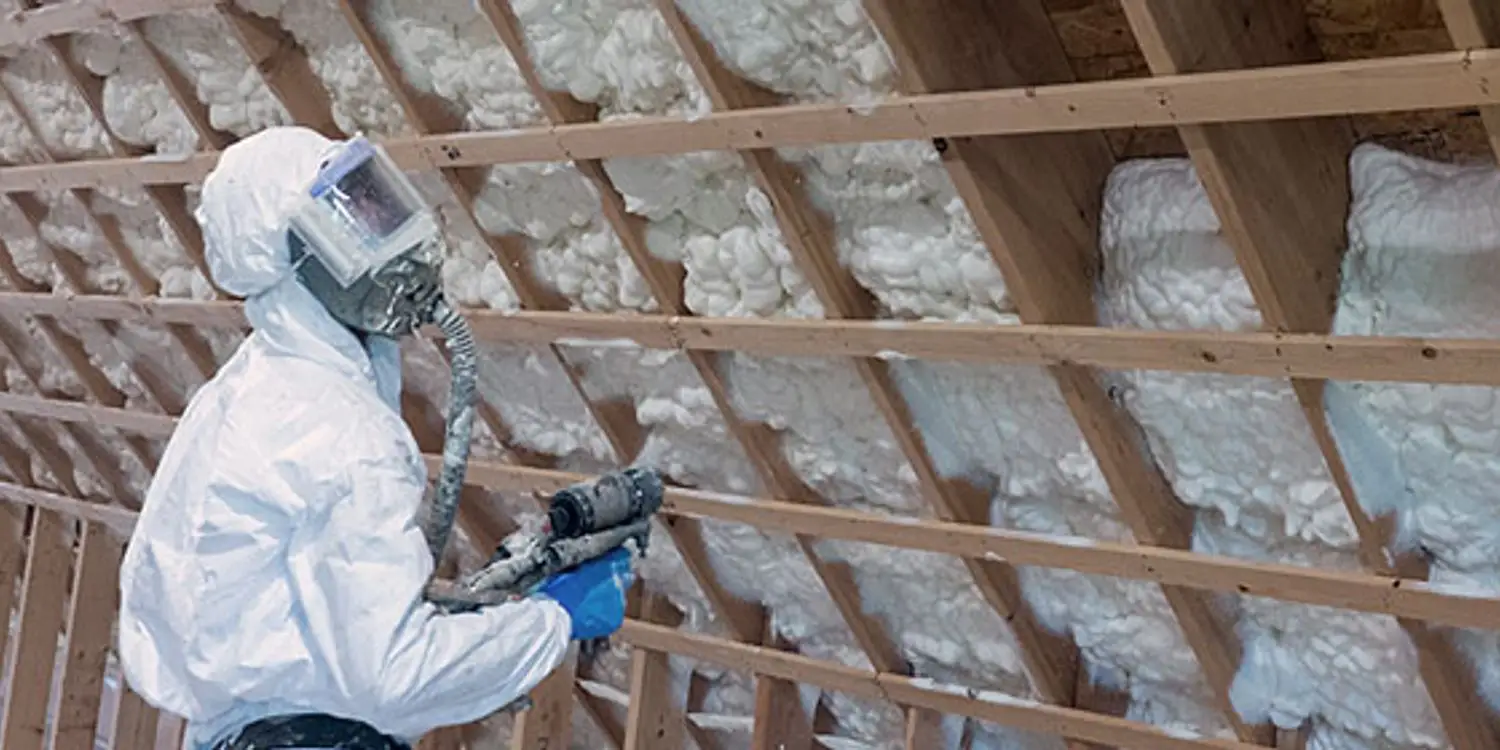
Insulation Services Available in Phoenix
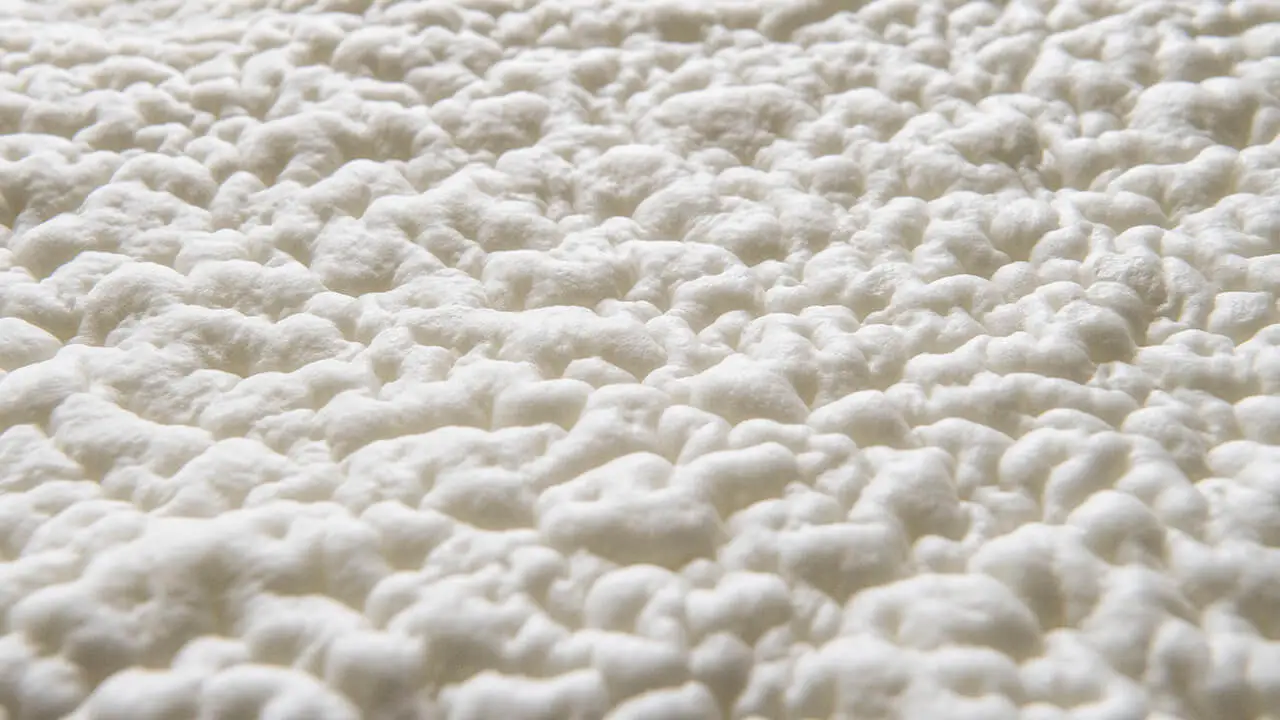
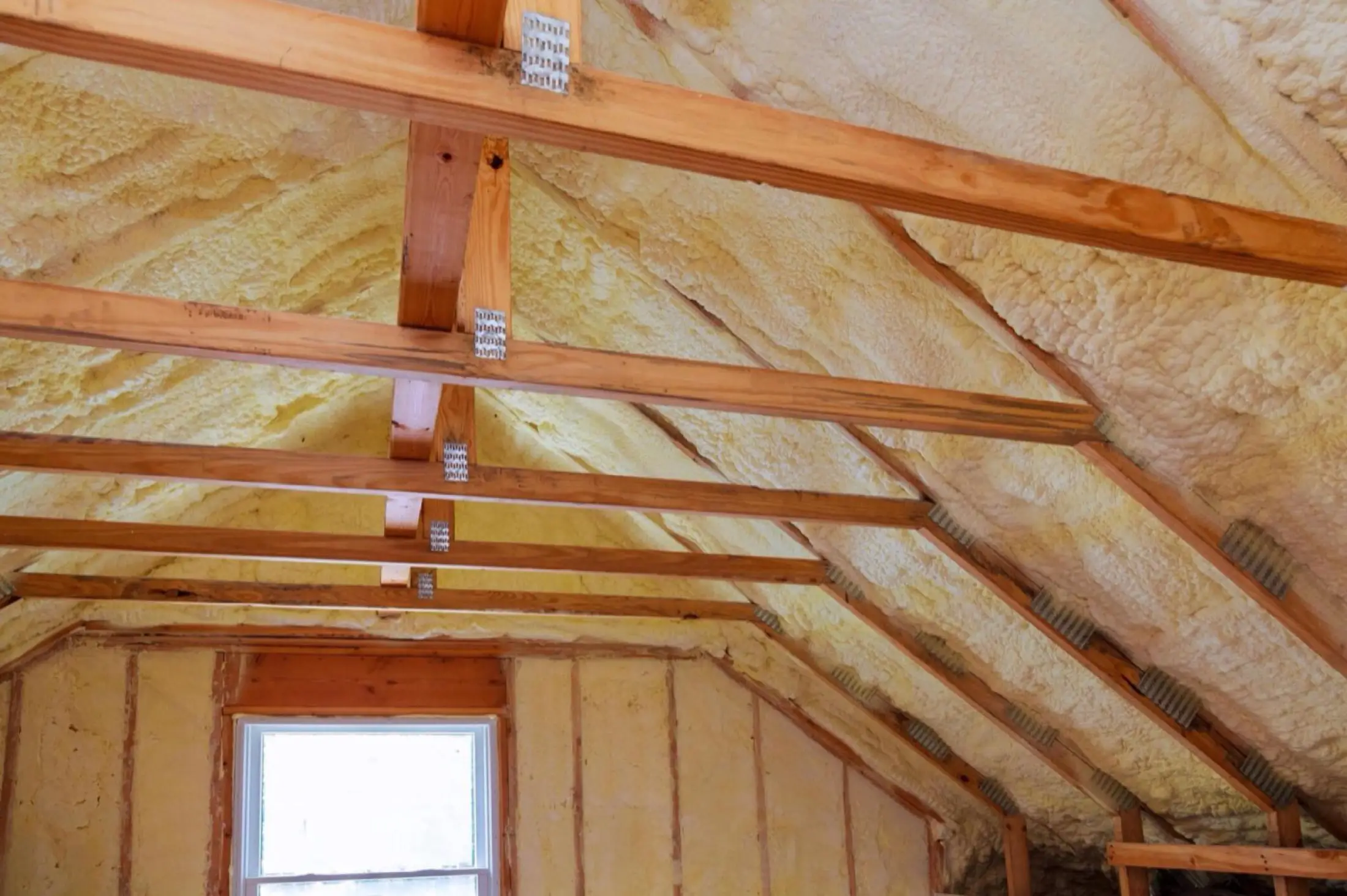
Need Spray Foam in Phoenix?
Talk with our team about your home, building or upcoming project.
Common Questions
Do you provide insulation services in Phoenix?
Yes. Phoenix Attic Insulation provides residential and commercial insulation in Phoenix, including spray foam insulation, blow-in insulation, batt insulation, radiant barriers, insulation removal, with free written estimates.
What type of insulation is best for Phoenix homes?
It depends on the building. Attics, walls, garages and additions each hold and lose heat differently, so we assess the space during a free estimate and recommend the material that fits rather than defaulting to one method.
How do I get a free insulation estimate in Phoenix?
Call us and we will schedule an on-site assessment of your Phoenix property, then give you a written scope and price before any work begins.