
Attic Insulation in Glendale, AZ
Attic insulation, removal, blown-in, batts, radiant barriers and spray foam for Glendale homes, garages, additions and commercial properties.
Attic Insulation Contractor Serving Glendale, AZ
Glendale does not have one housing stock. Around Catlin Court, Murphy Park, and the older streets off Glendale Avenue, there are early bungalows, postwar block houses, and midcentury ranches with plaster ceilings, true rafter framing, and decades of attic history layered between the joists. Farther west toward Arrowhead Ranch, the Loop 101, and the stadium district, the pattern shifts to later subdivisions, but the older core is where the interesting work lives: batts slumped between joists, open chases, and wiring from another era.
Phoenix Attic Insulation works in both versions of the city and does not quote them the same way. An attic over a 1950s block ranch may need batts cleared out, top plate and chase sealing, can light covers, and careful clearance around knob-and-tube era wiring before anything new is placed. A later attic near Westgate may need depth correction and eave baffles more than anything else.
Our core work on these homes is batt removal, loose fill placed between and over joists, rafter-level detailing, soffit and baffle corrections, and top plate air sealing, with spray foam reserved for the cavities where it beats any blanket. We come to the house, do a site visit, photograph the rafter bays, and hand you an itemised proposal. Call (602) 313-0276 to schedule.
Rafter Bays, Joists, and Batts: The Midcentury Glendale Attic
Older Glendale homes near the downtown core were framed with real rafters and ceiling joists, not trusses, and insulation was often installed as batts laid between the joists. Decades of doorbell, alarm, cable, and HVAC work leave those batts trampled into lanes, shifted off the top plates, and compressed at the eaves where the rafter meets the wall. Block walls store afternoon heat and release it after dark, so a ceiling plane full of gaps keeps the rooms warm long into the evening.
You also see the era in the details. Bird blocks and frieze vents at the eaves, open plumbing and chimney chases that run from the crawl to the attic, dropped soffits over kitchens, and recessed can lights that were never rated for contact with insulation. Each one is a leak path and a clearance question. Old can lights need proper IC-rated covers or dams before any blanket goes near them, and knob-and-tube era wiring, where it survives, needs clearance rather than burial.
A house near 59th Avenue can need batts pulled, chases sealed, and rafter bays baffled, while a similar-size house near Arrowhead needs a disciplined top-off. Mileage inside Glendale changes the scope, which is why phone quotes based only on square footage are unreliable on midcentury framing.
Getting a Glendale Rafter Attic to Depth Without Guesswork
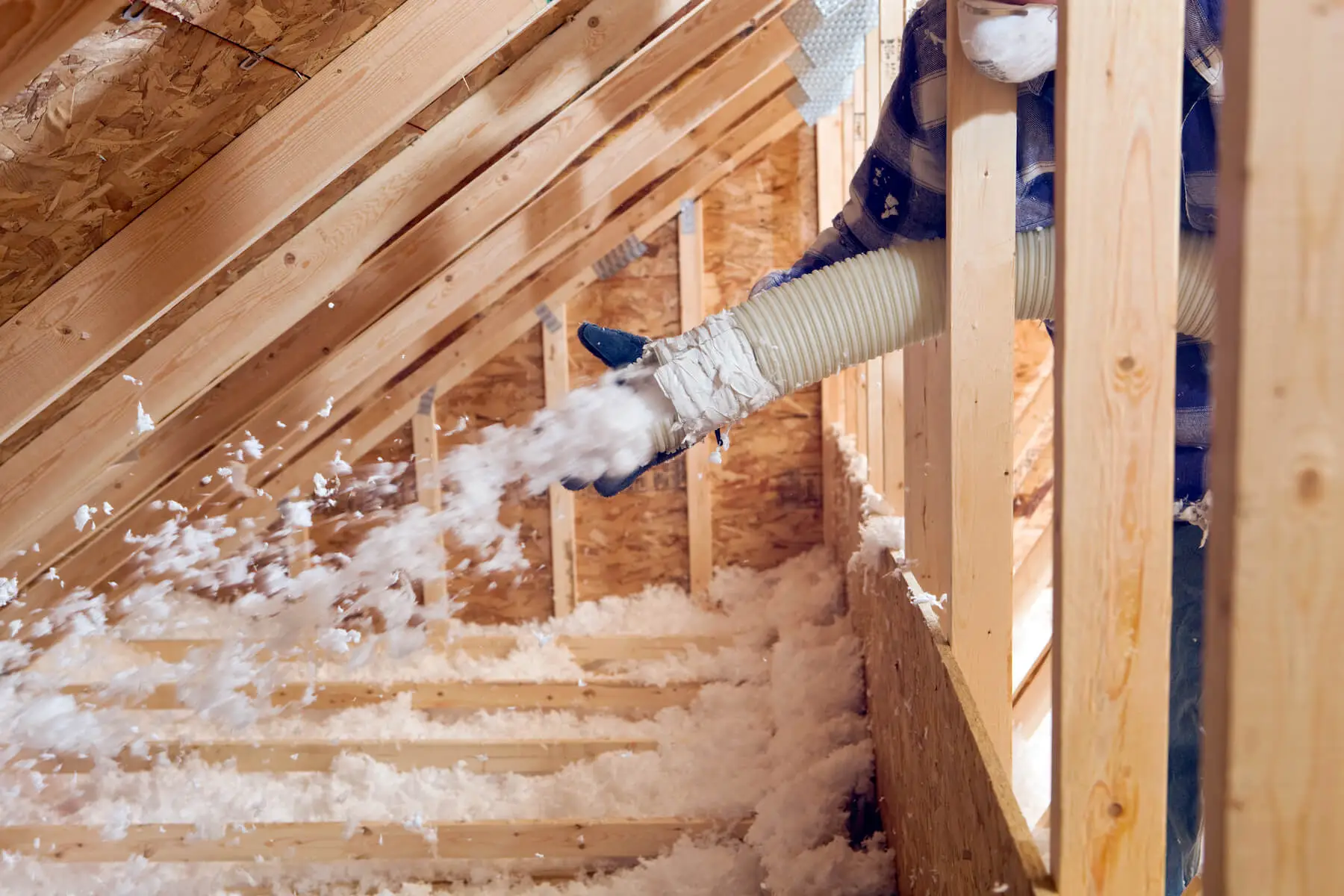
The Department of Energy target commonly used for this climate is R-38, and exposed Glendale roofs often justify R-38 to R-49. On a rafter-and-joist attic the path to that number runs between the framing first: batts or loose fill brought level with the joist tops, then a second layer run perpendicular over the joists so the wood itself stops bridging heat into the rooms below.
We do not infer depth from age. On a site visit we measure across the bays, note bare strips at eaves, check around bath fans and the hatch, and identify whether the existing material is batt, loose fill, or a layered mix of both. A clean rafter attic may need only a perpendicular cap over the joists. A trampled one with open chases needs prep first.
After placement we leave depth markers nailed to rafters so coverage can be checked later by you, a home inspector, or another contractor. That keeps the result verifiable instead of based on a statement that the crew filled the bays.
Batts, Loose Fill, and Clearances in Older Glendale Construction
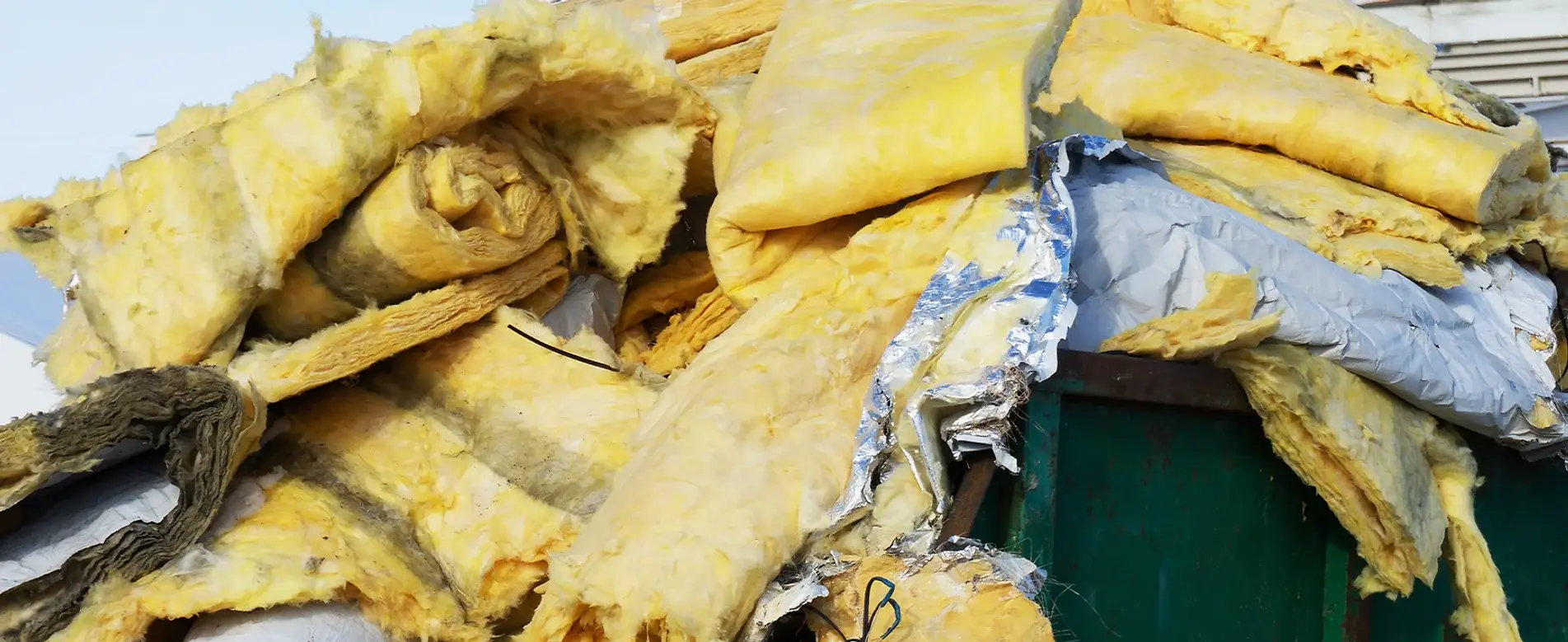
In a midcentury rafter attic, batts still have a place: cut to fit between joists, tucked against top plates without compression, and split around wiring rather than laid over it. Where the bays are irregular or littered with old junction boxes and chases, loose fill flows into the odd geometry that a batt cannot follow, and the two are often combined, batt below and fill above, once clearances are respected.
Clearances are the part older Glendale homes demand. Can lights that are not IC-rated need covers or dams with the proper standoff. Knob-and-tube era wiring, where present, should be evaluated by an electrician and kept clear rather than buried under any blanket. Chimney and flue chases need fire-safe blocking, not insulation stuffed against them.
For solid block homes with additions, converted patios, or low-slope rear roofs, the material follows geometry. Some rafter bays want batts during a remodel, some want fill, and some tight transitions want foam. We explain the tradeoffs with rafter-bay photos rather than pushing a single product.
Top Plates, Chases, and the Leaks Midcentury Ceilings Hide
Older Glendale ceilings leak through places newer construction hides better: cracked top plates where interior walls meet the attic, open plumbing and chimney chases, dropped soffits over kitchen cabinets, pull-down stairs without gaskets, and recessed can lights that were never sealed. Each leak lets cooled air escape upward and lets attic heat and dust ride the pressure differences back down through the same openings.
Sealing those pathways is unglamorous and often where comfort changes most on a block ranch. We run foam and caulk along top plates, block chases with fire-rated material where required, weatherstrip the hatch and pull-down stair, fit covers over rated can lights, and keep soffit intake open with baffles so new depth at the eaves does not choke the bird blocks.
Ducts get checked at the same visit, though on these older homes the handler often sits in a hallway closet rather than the attic, so the ceiling plane itself is the bigger leak. If a chase or flue needs a sheet metal contractor rather than sealing, we flag it plainly in the itemised proposal.
Radiant Barriers on Rafter Framing
Much of the heat entering a Glendale attic arrives as radiation from a roof deck that has baked all afternoon. On true rafter framing, a foil sheet stapled to the underside of the rafters reflects part of that energy back upward and can lower the temperature the batts and joists have to resist, especially on the wide west-facing slopes common in the postwar blocks.
In older homes with the handler in a hall closet, the benefit shows more in ceiling temperature and evening comfort than in duct performance, since the ducts are not sitting in the heat. The rafter layout makes the installation straightforward when the bays are open and the deck is accessible.
The barrier is a companion measure. It cannot replace depth, top plate sealing, or can light covers. We recommend it when roof exposure and rafter layout make the added step sensible, not as a cure for every hot room, and we keep the discussion brief relative to the framing work that matters more here.
Pest Notes for Established Glendale Blocks
Mature citrus, date palms, alleys, and older rooflines give pests reliable routes in many established Glendale neighborhoods, and we keep this short because it is not the lead story on these homes. They enter at eave gaps and tile returns, then nest in old batts because the material is dry and easy to tunnel.
Where activity is found, the sequence is entry sealing, removal of the fouled batts, a wipedown of the joist tops, and then new material. Night scratching and droppings near the hatch are the usual signs. If a pest company already handled the animals, the attic often still needs the batts addressed so the problem does not linger between the joists.
On most midcentury Glendale attics, though, the larger wins are top plates, chases, can light clearances, and depth. We note pest signs during the site visit and only build the scope around them when the evidence calls for it.
Utility Boundaries Around Glendale, Briefly
Glendale sits in mixed electric territory. Many addresses are APS, while pockets near Phoenix and SRP lines differ, and city limits are not the same as utility service maps. Confirm the provider printed on your bill before assuming which program page applies, since amounts are set by the utility and change over time.
Both utilities have offered energy assessments and efficiency measures at different times, sometimes requiring pre-approval or specific contractors. We keep our side clean: measured depths between and over joists, material records, and photos of the rafter bays before and after. That documentation is useful if you apply for a current program, discuss credits with a tax professional, or sell the home later.
We keep this topic brief on Glendale because the framing work usually matters more than the paperwork. Ask during the site visit and we will point you to the right utility page for your exact address.
Where Spray Foam Fits in Glendale Framing
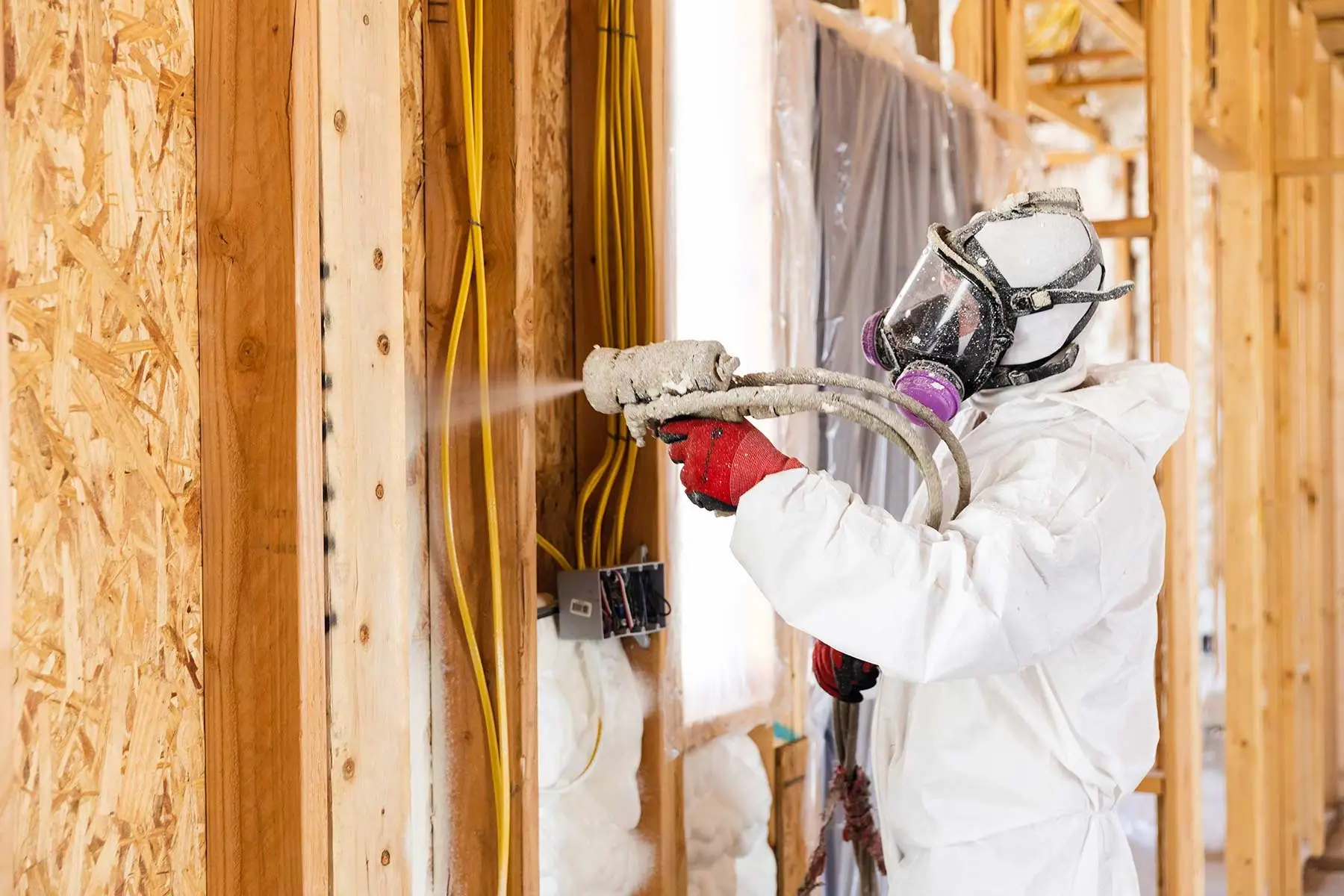
Spray foam is a selective tool in Glendale. It can be right for rim transitions at the top of block walls, garage ceilings under rooms, vaulted sections with no real attic, and the awkward rafter tails and bird block zones where no batt or blanket will sit cleanly.
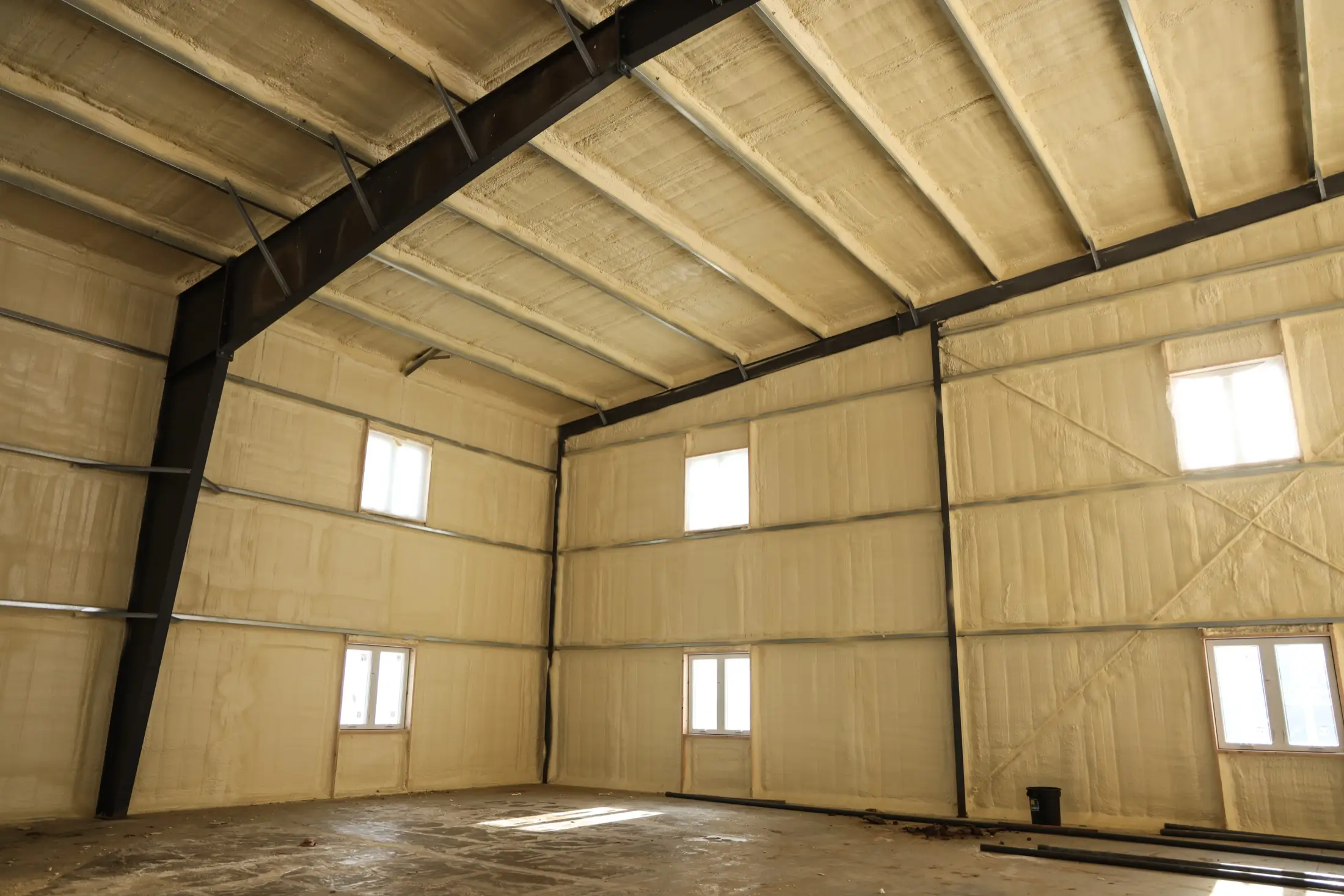
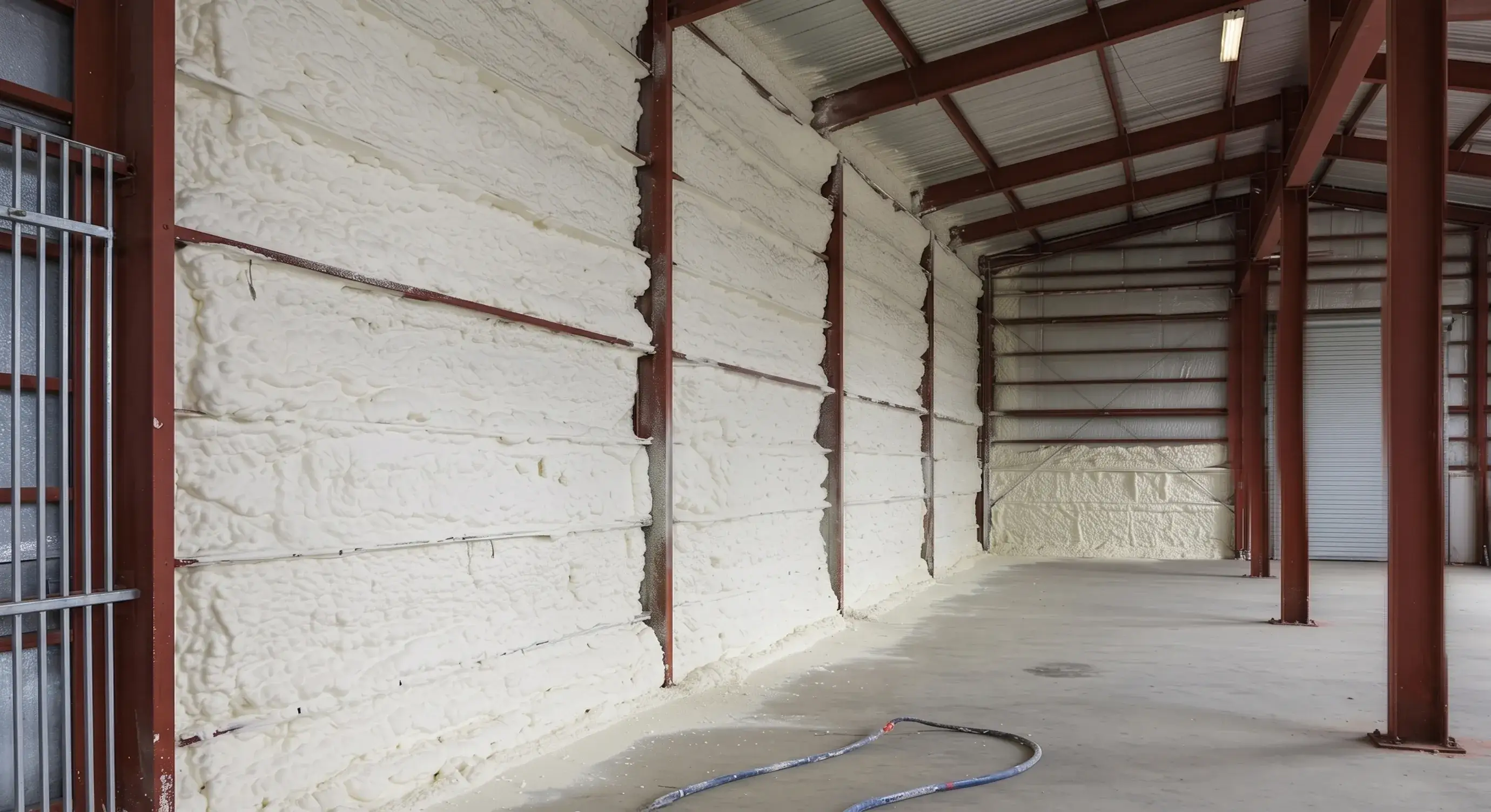
Open-cell foam seals air and fills irregular framing at lower cost. Closed-cell foam gives more R-value per inch and stiffness where depth is limited, such as the short slopes behind a knee wall on an addition. Neither is automatically the answer for a standard vented rafter attic, where sealing plus batts and fill between and over joists is often the better value.
If foam is recommended, it will be because the geometry or the moisture plan calls for it. If a batt and fill approach will do the job for less, that is what the itemised proposal will say.
Frequently Asked Questions
How much insulation does a Glendale rafter attic need?
R-38 is the common target for this climate, with R-38 to R-49 often sensible on exposed roofs. On joist framing that means material between the joists plus a perpendicular cap over them so the wood stops bridging heat. Older downtown-area homes can be far below that. We measure depth and quote the gap.
My house has old batts between the joists. Can you add over them?
Often yes if they are dry and clean: we level them, seal the top plates and chases, then run loose fill perpendicular over the joist tops. Trampled, fouled, or wet batts come out first. The site visit photos decide.
What about the old can lights and wiring?
Non-IC can lights get proper covers or dams with clearance before any blanket approaches. Surviving knob-and-tube era wiring should be checked by an electrician and kept clear rather than buried. We flag both in the itemised proposal.
What does attic insulation cost in Glendale?
Cost depends on attic size, rafter access, target depth, batt removal needs, chase sealing, and whether covers and baffles are included. A clean cap over joists and a full midcentury reset price differently. We provide an itemised proposal after the site visit rather than throwing out a number that will not survive the attic.
How long does installation take?
A straightforward cap over joists is often done in hours. Batt removal, chase blocking, covers, or rafter-level barrier work can stretch the job into a longer day or more. The proposal includes a realistic window.
Will this reduce my electric bill?
It reduces the heat and leakage your cooling system must overcome, but results vary with equipment, shading, and habits. We avoid citing percentages. The aim is to correct measurable defects between the rafters and along the top plates.
Do you work outside Glendale?
Yes. We serve the broader metro including Peoria, Phoenix, Avondale, and nearby West Valley communities. Call (602) 313-0276 and we will confirm scheduling for your address.
Schedule a Glendale Site Visit
Whether the house is a block ranch near downtown Glendale with batts slumped between the joists or a later build closer to the Loop 101, the ceiling plane decides how hard the cooling system has to run. Phoenix Attic Insulation handles batt removal, fill placed between and over joists, top plate and chase sealing, can light covers, rafter-level barriers, and selective spray foam with the same starting point: site visit first, itemised proposal second.
Call (602) 313-0276 to book a site visit. We measure depth across the bays, check chases, clearances, and soffit baffles, photograph the rafters, and leave you with an itemised proposal. If the attic is already in good shape, you will hear that too.
Insulation Services Available in Glendale
Need Spray Foam in Glendale?
Talk with our team about your home, building or upcoming project.
Common Questions
Do you provide insulation services in Glendale?
Yes. Phoenix Attic Insulation provides residential and commercial insulation in Glendale, including spray foam insulation, blow-in insulation, batt insulation, radiant barriers, insulation removal, with free written estimates.
What type of insulation is best for Glendale homes?
It depends on the building. Attics, walls, garages and additions each hold and lose heat differently, so we assess the space during a free estimate and recommend the material that fits rather than defaulting to one method.
How do I get a free insulation estimate in Glendale?
Call us and we will schedule an on-site assessment of your Glendale property, then give you a written scope and price before any work begins.