
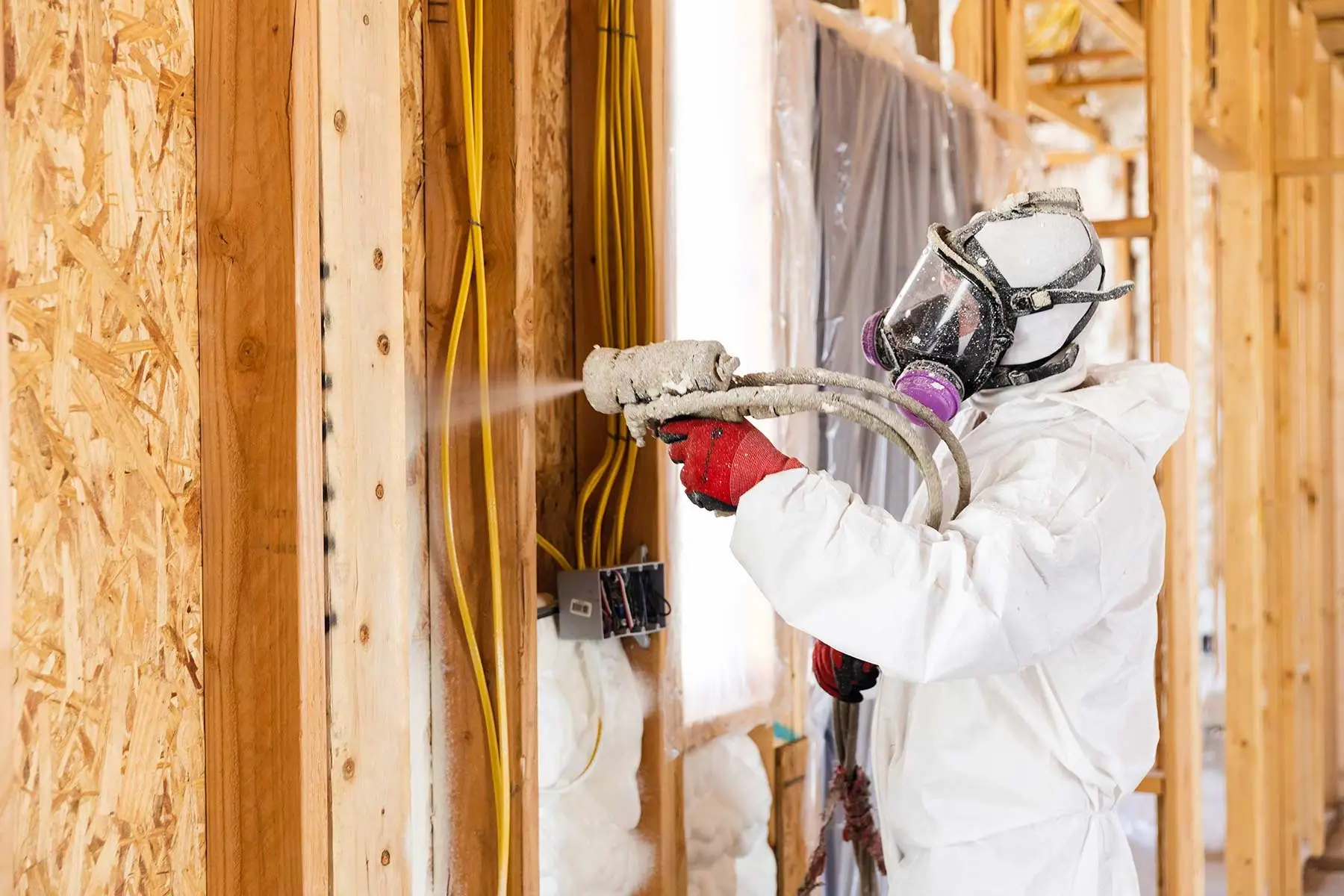
Attic Insulation in Laveen, AZ
Attic insulation, removal, blown-in, batts, radiant barriers and spray foam for Laveen homes, garages, additions and commercial properties.
Attic Insulation Contractor in Laveen, AZ
Laveen sits on the rural edge of the city, and the calls we get there reflect it. Homes near 51st Avenue and Baseline, along Dobbins Road, and out toward the South Mountain foothills back onto fields, horse lots, and flood-irrigated ground, and the pest pressure that comes with that landscape ends up overhead. The most common Laveen job is not a simple top-off. It is intrusion, removal, containment, and sanitising after rodents have spent a season or more in the fill.
Phoenix Attic Insulation treats Laveen as the cleanup and exclusion page: finding how they got in, getting the fouled material out under containment, sanitising the lid, and only then rebuilding depth. Around that core we install loose fill, correct dust infiltration from the open ground nearby, seal the lid, and keep radiant barrier and rebate talk brief because they are rarely the lead here.
Because Laveen addresses are Phoenix addresses, electric service can fall to different utilities depending on the exact location. Check the bill before assuming a program. Call (602) 313-0276 for an attic inspection that starts with entry points and contamination, not assumptions.
Why Laveen's Rural Edge Fills Attics With Pests
The agricultural edge is the driver. Flood irrigation on the remaining fields and pastures keeps ground moisture and vegetation close to the block walls, and rodents travel those walls, the irrigation laterals, and the tree lines straight to the eaves. Newer subdivisions that replaced farmland did not remove the pressure; they concentrated it along the edges where development meets open ground.
Once inside, they tunnel the fill into runways, nest over the warm interior walls, and leave droppings, urine, and scent trails that draw more activity. Dust infiltration from bare fields and unpaved lanes rides in through the same eave gaps and soffit vents, loading the material with fine grit that mats it down faster than in a shaded interior neighborhood.
The pattern owners describe is consistent: scratching at night, a musky or ammonia odor when the system starts, droppings near the hatch, and insulation that looks braided into trails. On the Laveen edge those signs are treated as a contamination problem first and an efficiency problem second, because the health concern sits directly over the bedrooms.
Removal, Containment, and Sanitising: The Laveen Core
Removal on a Laveen job is a containment exercise. The crew sets up so fouled material never crosses the living space: the hatch area is masked, vacuum hose runs to sealed bags or a trailer outside, and the old fill, nesting, and droppings are extracted without being carried through hallways. HEPA filtration on the equipment keeps fine dust and dander from blowing back into the house.
With the lid bare, sanitising comes next: the surface is treated, carcasses and heavy nesting are removed, and the entry points are finally visible. We seal eave gaps, tile returns, utility penetrations, and the gaps where block walls meet the lid, because new fill over open entries is an invitation, not a fix.
Exclusion is the step that makes the cleanup stick. Pest control removes the animals; our work removes the contaminated material and closes the routes, so the scent trails and harborage do not pull the next wave back in. Only after the lid is clean, dry, and sealed does fresh material go down.
Rebuilding Depth After a Laveen Cleanup
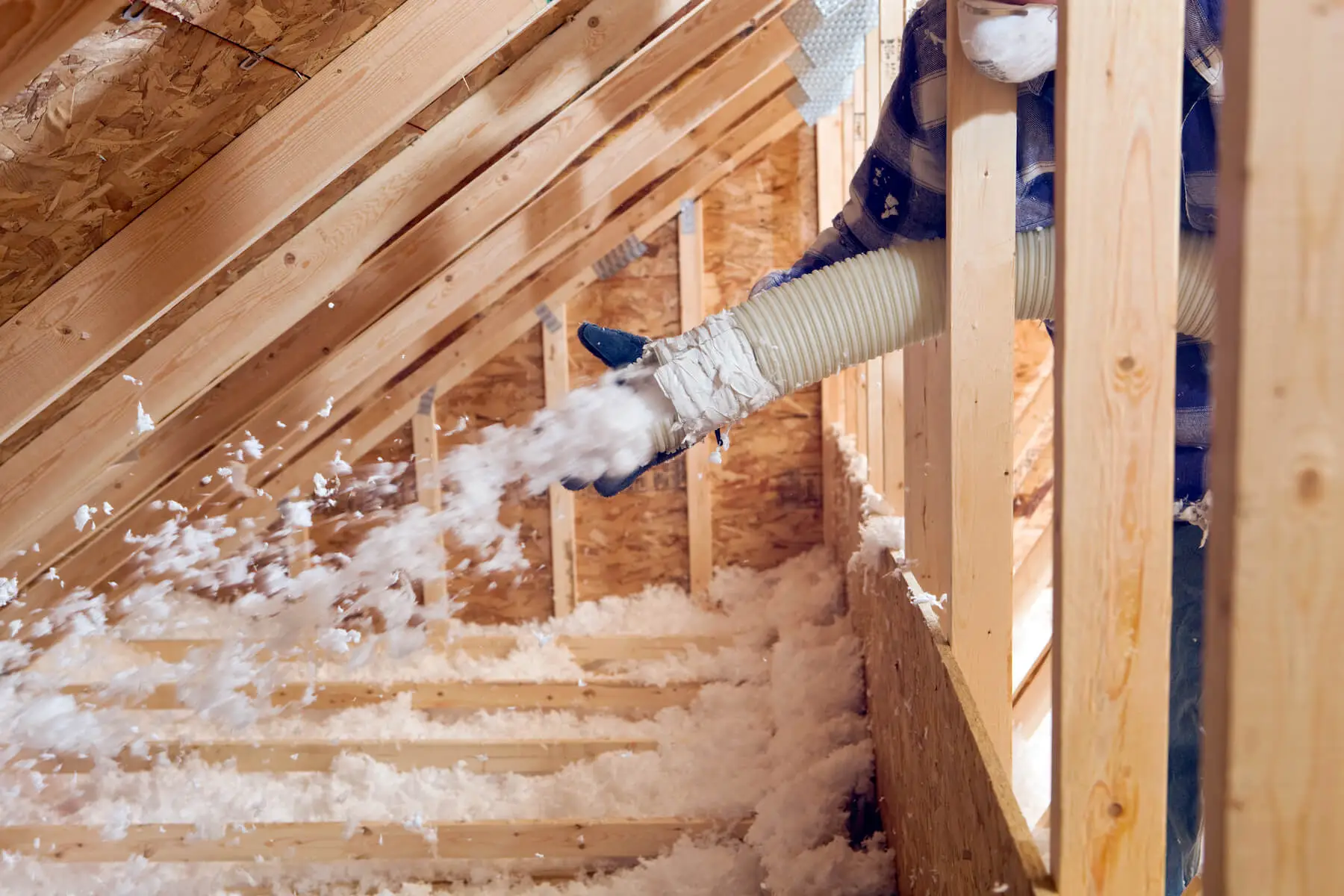
Once the lid is sanitised and the entries are closed, the rebuild is straightforward: loose fill blown to a verified depth with markers, baffles at the eaves so intake air moves without choking, and the hatch weatherstripped so the one opening you control is not the leak you forgot. Department of Energy guidance for this desert zone points to R-38 as a practical target after a reset.
Material choice after contamination leans practical. Loose fill fiberglass resists moisture and offers no food value, which suits a lid that has seen activity. Cellulose is treated and performs well too, and either one is installed only after the exclusion work is verified, because the cleanest blanket in the valley does not help if the routes stay open.
Dust is the other Laveen variable. We seal the lid penetrations and the hatch so field dust stops riding pressure differences into the house, and we note soffit condition so intake air is filtered by the vents rather than pulled through gaps. The rebuild is measured, photographed, and documented so you can see the lid went from fouled to verified.
Dust Infiltration and Flood Irrigation Moisture
Laveen's edge conditions add two loads most valley pages skip. The first is dust: fine soil from fields, horse lots, and unpaved lanes migrates into soffit vents and eave gaps, settles into the fill, and works down through lid penetrations into the house. Sealing the lid and fitting proper baffles keeps intake air moving through the vents by design instead of through cracks by default.
The second is moisture from flood irrigation. When a neighboring field is flooded, humidity spikes along the ground and the block walls, and any material already wet from a roof leak or a condensate overflow stays wet longer, which is how mold gets a foothold over a bedroom. Wet or moldy material is a removal case, full stop, and we photograph it so the reason is not a matter of trust.
Both loads argue for the same sequence: exclude, remove under containment, sanitise, seal the lid and the entries, then rebuild depth. Skipping to the rebuild is how a Laveen attic ends up fouled again within a season.
Radiant Barriers and Ducts, Kept Brief
A radiant barrier can help a Laveen roof with wide afternoon exposure, and we say so in one breath: it reflects part of the deck's radiant load and works only after the lid is clean, sealed, and at depth. On a contamination job it is the last line of the scope, not the first, and we do not lead with it here.
Ducts get checked during the cleanup because the same dust and odor that foul the fill can be pulled into a leaky return. We seal accessible joints and flag anything that belongs with an HVAC contractor, but the mechanical work stays secondary to the intrusion and removal story on this page.
If the roof and layout make a barrier worth adding after the reset, we include it as a clear option in the written quote. If the budget is better spent on exclusion and depth, that is the recommendation you will get.
Programs and Paperwork, Briefly
Laveen is part of Phoenix, and Phoenix electric service is split between utilities depending on location. The provider on the bill decides which efficiency programs, audits, or duct measures might apply, so confirm that before scheduling around a program assumption, since amounts are set by the utility and change over time and current terms are best confirmed directly.
Program rules change. Some have required pre-approval, qualifying audits, or participating contractors. We do not state amounts or eligibility because those decisions sit with the utility and current funding.
Our role is to document the reset: photos of the contamination, the containment setup, the sanitised lid, the sealed entries, and the verified final depth. That gives you clean records for any program you choose to pursue and for a future sale, and it keeps this topic as brief as it belongs on a Laveen page.
Spray Foam for Edge-Condition Cavities
Foam is a supporting tool in Laveen, used where a blanket cannot stay put or where an entry-prone cavity needs a permanent seal: block wall tops, rim transitions, garage ceilings under rooms, and the stubborn gaps where additions meet the original lid. Closed-cell foam adds rigidity and a hard seal at exactly the spots pests probe first.
For the main lid after a cleanup, loose fill over a sanitised, sealed surface is usually the better value, and we say so. Foam earns its place at the edges and transitions, not as a substitute for the containment and removal work that defines these jobs.
We also handle wall insulation and casita or workshop spaces on the larger lots common toward the foothills. If the project touches more than the attic, one crew can keep exclusion, sealing, and insulation coordinated.
Service Across Laveen and the Southwest Valley
We work throughout Laveen, from established streets near the village core to the newer communities pushing south and west toward the foothills and the Loop 202 corridor, and the jobs split predictably: interior streets lean toward depth and dust, edge lots lean toward intrusion, removal, and exclusion. As a service-area contractor, the inspection and the work happen at your home, not at a showroom.
Identical floor plans hide different attics here more than anywhere. Two homes a street apart can differ completely depending on which one backs to an irrigated field or a horse lot. Measuring first, and looking for entry points first, is how the quote stays honest.
If you hear scratching at night, smell something musky when the system starts, see droppings near the hatch, or simply live on the rural edge and have never had the lid checked, call (602) 313-0276. We will show you what is overhead and lay out the containment, removal, and rebuild options in plain language.
Frequently Asked Questions
How do I know if rodents have been in my Laveen attic?
Night scratching, droppings near the hatch, a musky or ammonia odor when the system starts, and fill that looks tunneled or braided into trails are the classic signs. On edge lots near fields or flood irrigation, assume the pressure is real and have the entries checked.
What does removal and cleanup involve?
Containment at the hatch, vacuum extraction of the fouled fill and nesting to sealed bags outside, HEPA-filtered equipment, sanitising the lid, and then sealing the entry points before any new material goes down. You get photos of each stage.
Can you just blow new material over the old?
Not over contamination. Covering droppings, urine, and nesting leaves the health concern and the odor in place above the bedrooms. Clean, dry, untouched fill can be topped off; fouled fill comes out first.
Why is dust such a problem here?
Open fields, horse lots, and unpaved lanes push fine soil into soffit vents and eave gaps. Sealing the lid and fitting proper baffles routes intake air through the vents by design and keeps field dust out of the fill and the house.
Will a radiant barrier fix my hot rooms?
It can help on exposed roofs, but only after the lid is clean, sealed, and at depth. On a contamination job it is the last line of the scope. We keep it in its place and will tell you whether it earns a line in your written quote.
How long does a Laveen cleanup and rebuild take?
Extraction and sanitising usually take the better part of a day depending on how much comes out, with the rebuild following once the lid is verified clean and sealed. Your written quote includes the expected window.
Do APS or SRP programs apply?
That depends on the utility serving your exact address and the programs active at the time. Amounts are set by the utility and change over time, so confirm current terms directly or ask during the inspection. We provide documentation and stay out of eligibility claims.
How do I schedule?
Call (602) 313-0276. The visit includes entry-point mapping, contamination assessment, dust and moisture observations, photos, and a written quote with no obligation.
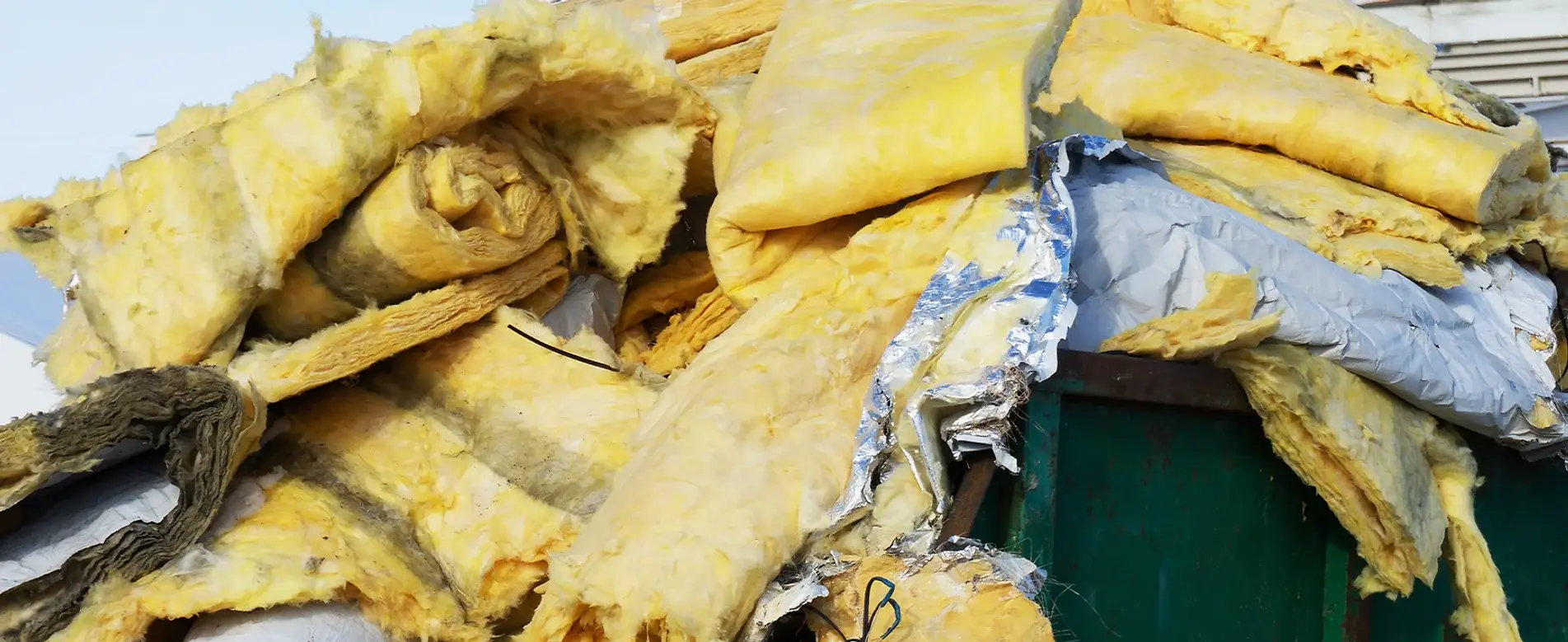
Insulation Services Available in Laveen
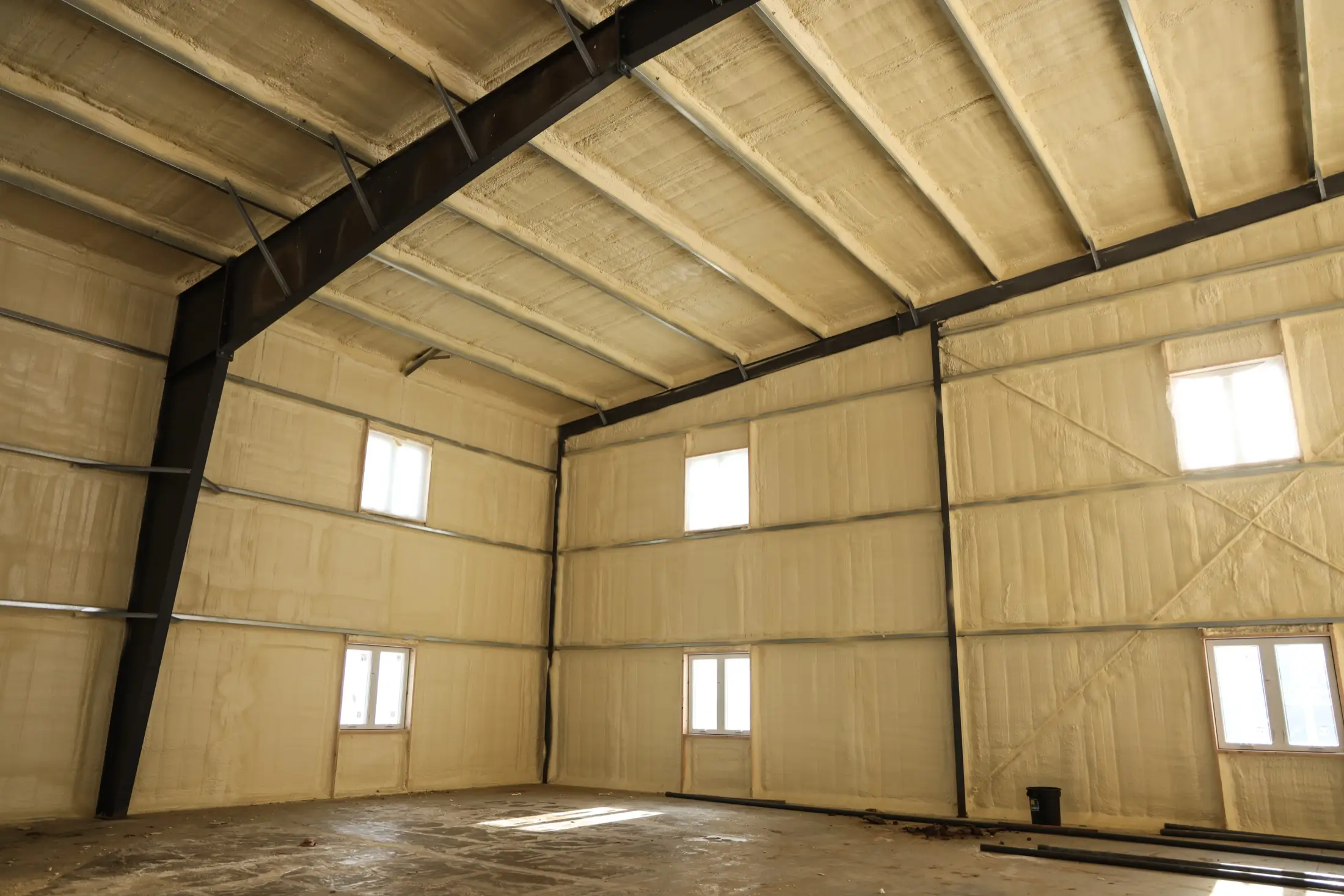
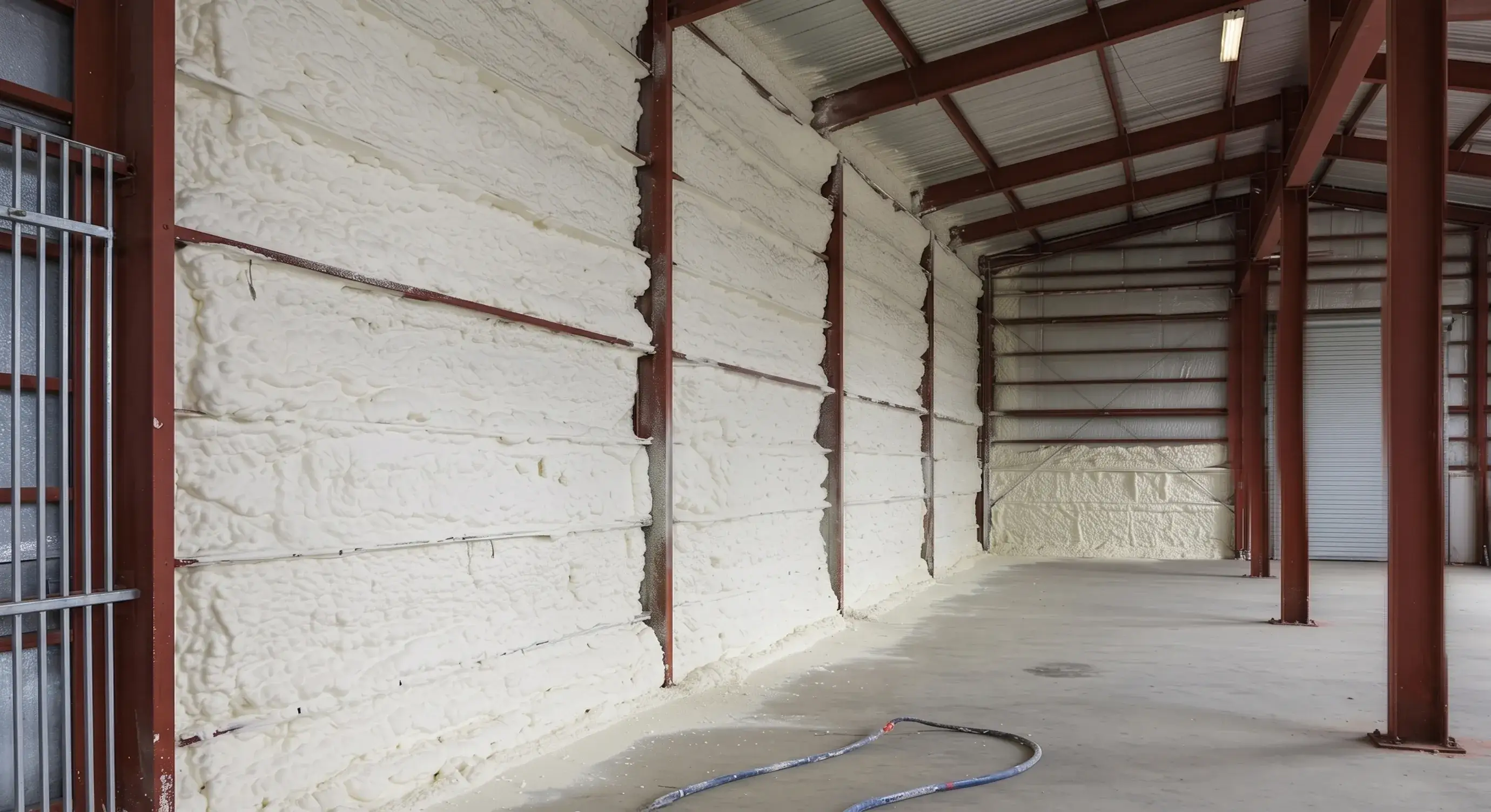
Need Spray Foam in Laveen?
Talk with our team about your home, building or upcoming project.
Common Questions
Do you provide insulation services in Laveen?
Yes. Phoenix Attic Insulation provides residential and commercial insulation in Laveen, including spray foam insulation, blow-in insulation, batt insulation, radiant barriers, insulation removal, with free written estimates.
What type of insulation is best for Laveen homes?
It depends on the building. Attics, walls, garages and additions each hold and lose heat differently, so we assess the space during a free estimate and recommend the material that fits rather than defaulting to one method.
How do I get a free insulation estimate in Laveen?
Call us and we will schedule an on-site assessment of your Laveen property, then give you a written scope and price before any work begins.